Transform standard mason jars into stunning stained-glass-style decorations with just Mod Podge and food dye! This DIY project is straightforward, economical, and visually appealing.
Required Skills: None. Even if you’ve never used Mod Podge or have minimal crafting skills, you should find success with this endeavor.
Have you ever wished to color glass jars in serene ocean blue or deep forest green—without spending on specialty paints? Great news: you only need Mod Podge, food coloring, and a bit of crafty curiosity.
In this simple guide, I will demonstrate how to color glass at home using a reliable technique that produces beautiful, translucent hues with a glossy finish.
Whether you’re tinting glass for wedding decorations, shelf embellishments, or an enjoyable upcycling task, this is a craft that is friendly to beginners and actually works.
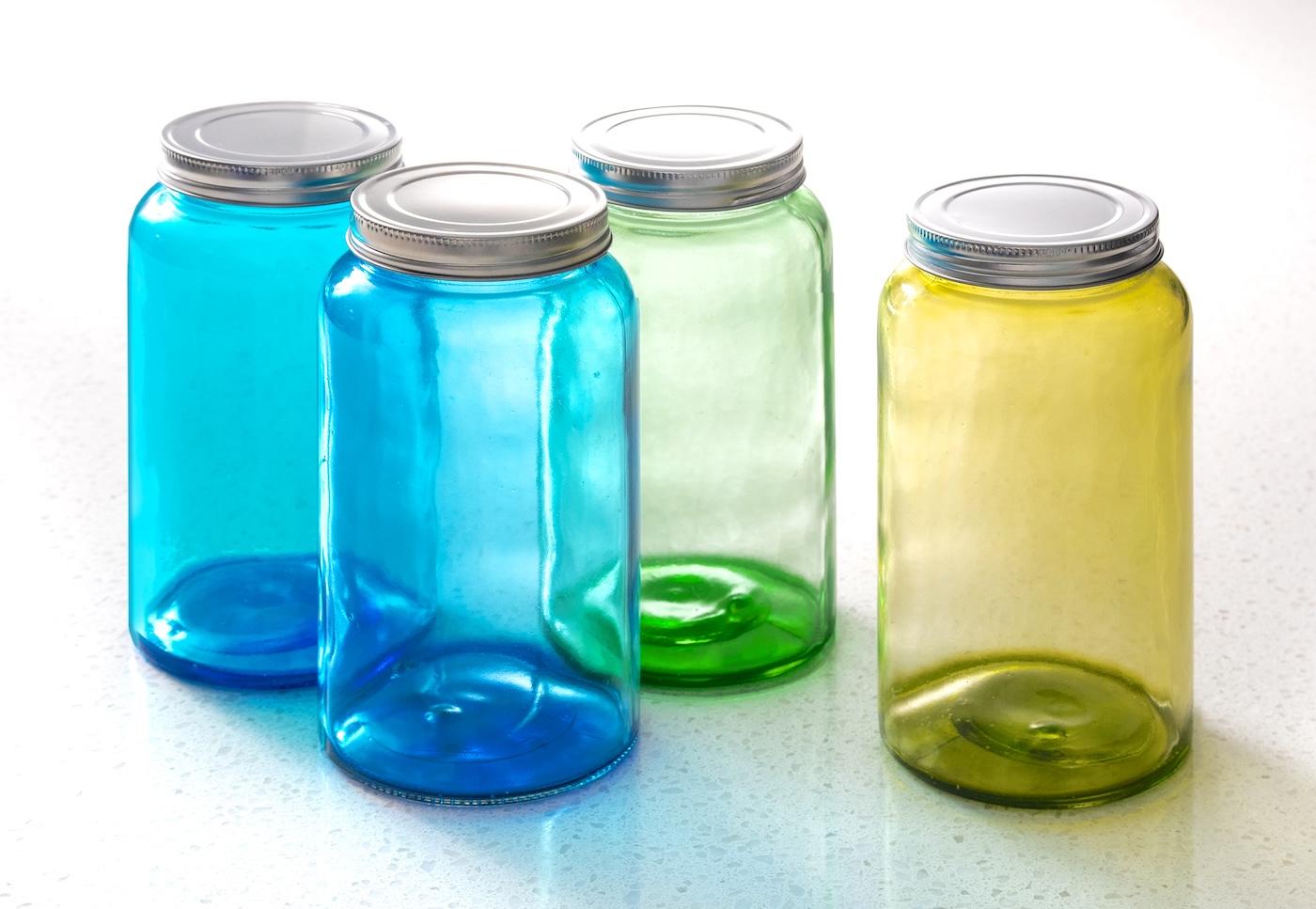
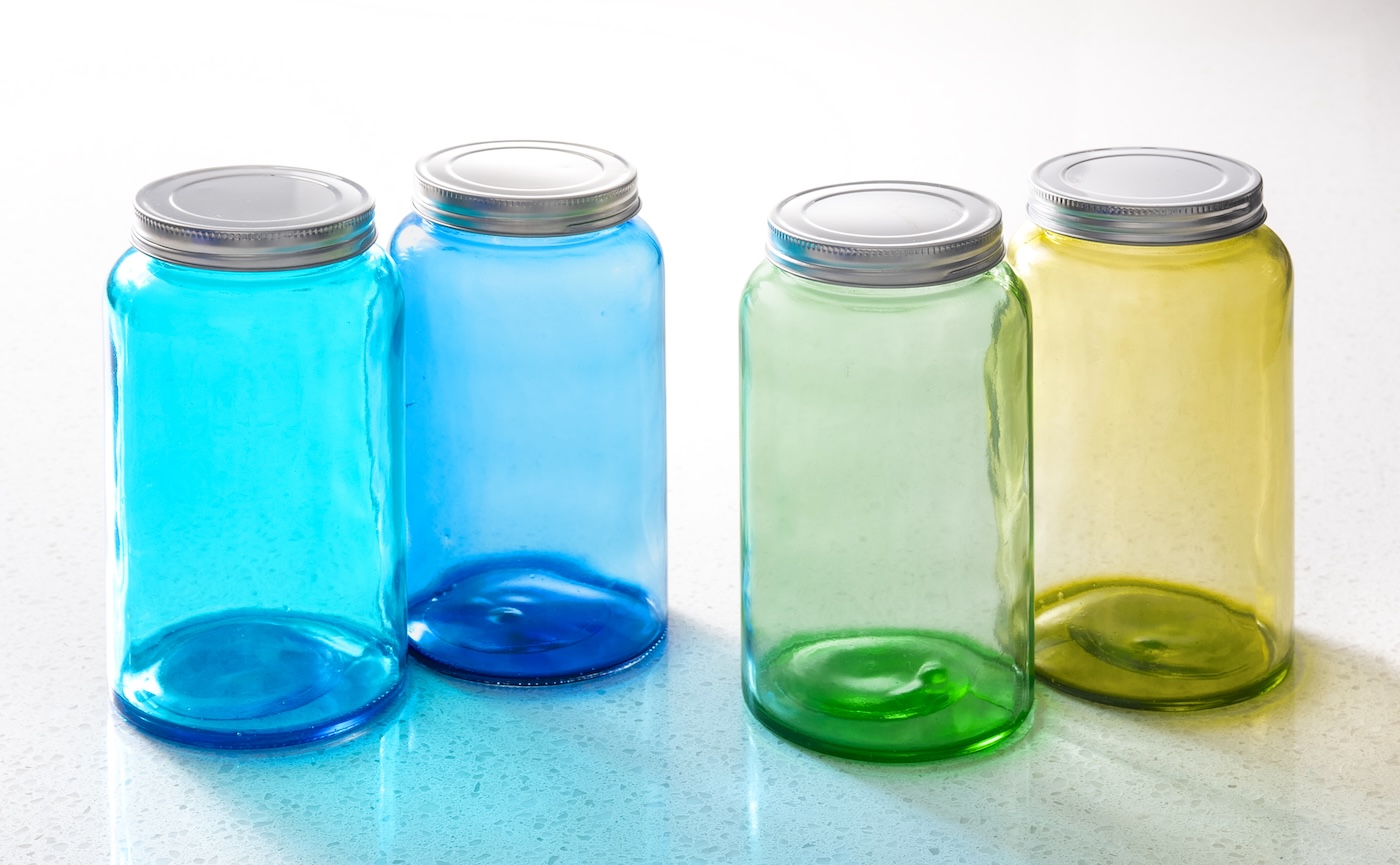
I experimented with four mason jars—two in bright blue, two in vibrant green—and discovered the perfect mixture: 4 drops of gel food coloring to 1/4 cup of Mod Podge. The outcome? Stained-glass-style jars that appear customized, luxurious, and utterly breathtaking in sunlight.
You can observe the lovely hues I accomplished above.
FAQs you might consider:
- Can Mod Podge and food coloring be used to tint glass? → Yes, and it produces a stunning stained glass effect.
- Which Mod Podge type is most effective? → The gloss formula offers the finest sheen and is ideal for glass surfaces.
- Will the color endure? → Indeed! The pigment remains vibrant. Exercise caution when placing them in windows in direct sunlight, as regular Mod Podge is not UV resistant (the Outdoor formula is).
- Is it possible to create other shades? → Certainly—just adjust your food coloring drops for limitless custom colors.
If you’re looking for a technique to tint glass bottles, stain mason jars, or fabricate faux colored glass affordably, you’ve found the right guide.
Let’s delve into the precise steps I took (including a few tips from my earlier “oops” experiences) so you can achieve remarkable outcomes without the trial and error.
NOTE BEFORE YOU START . . . these cannot hold water. The Mod Podge is applied inside the jar and is water soluble. If you wish to create jars that can contain water, you may apply the spouncing technique on the outside as I do here.
Are you prepared to start? Acquire the printable instructions below:
How to Tint Glass
Discover how to color glass using Mod Podge and food dye! You’ll be able to achieve any hue you desire with this guide.
Preparation Time10 minutes mins
Active Time1 hour hr 15 minutes mins
Drying Time1 day d
Total Time1 day d 1 hour
hr 25 minutes mins
Yield: 4 jars
Expense: $10
-
Cups 1 per hue
-
Stirring stick(s)
-
Scraping implement
-
Wash the jars with soap and water or rubbing alcohol. Swirl the rubbing alcohol around and pour any excess back into the container. Allow to dry.
-
For each hue you wish to prepare, pour 1/4 cup of Mod Podge Gloss into a cup.
-
Introduce four drops of gel food coloring per hue to each cup. If utilizing regular food coloring, increase to eight drops instead.
-
Mix each cup thoroughly, or until the color is evenly distributed throughout the Mod Podge.
-
Tackling one jar at a time, pour the Mod Podge into the jar. Utilize a tool to scrape the leftover mixture from the cup to ensure all of it gets transferred into the jar.
-
Swirl to cover. It may take a moment to entirely coat the interior.If you observe that the mixture fails to reach certain spots, a paintbrush can be employed for assistance.
-
Inverted on your working surface to allow draining. Let it sit until all surplus Mod Podge is completely drained.
-
Support upright (to enable airflow) and allow to dry for 24 hours. Alternatively, you may place in a 200-degree oven and bake until dry (do not leave unattended).
-
Employ a craft knife to trim any excess Mod Podge from around the edges of the jars.
The more thoroughly you blend the food coloring, the fewer streaks will appear in the final product.
Did you enjoy this task? Share your thoughts in the comments! I would also adore if you explored these additional concepts: