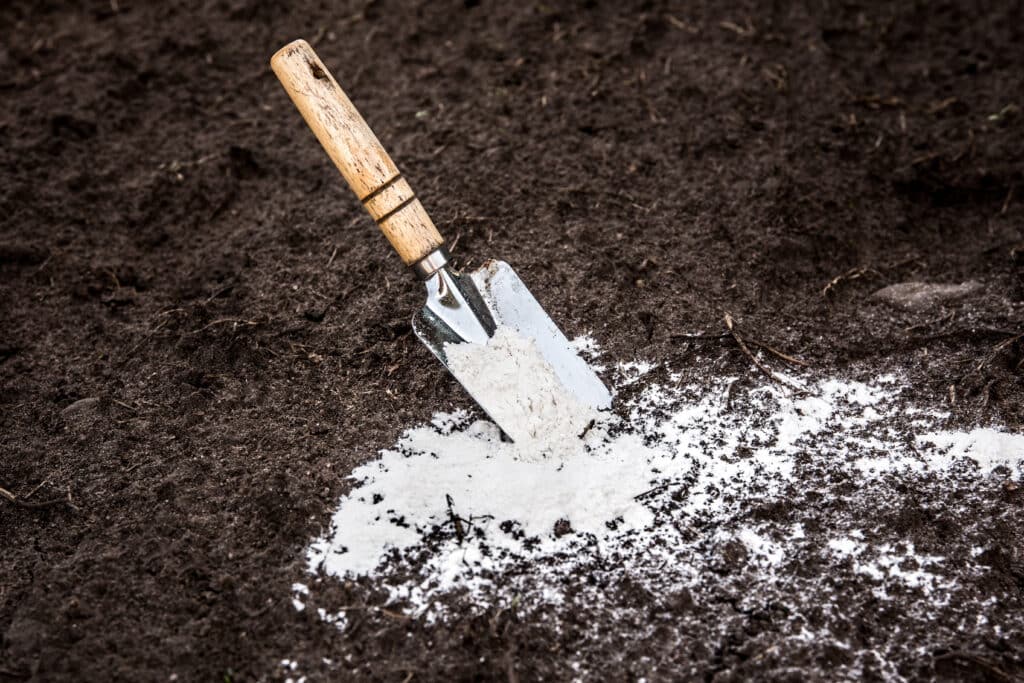
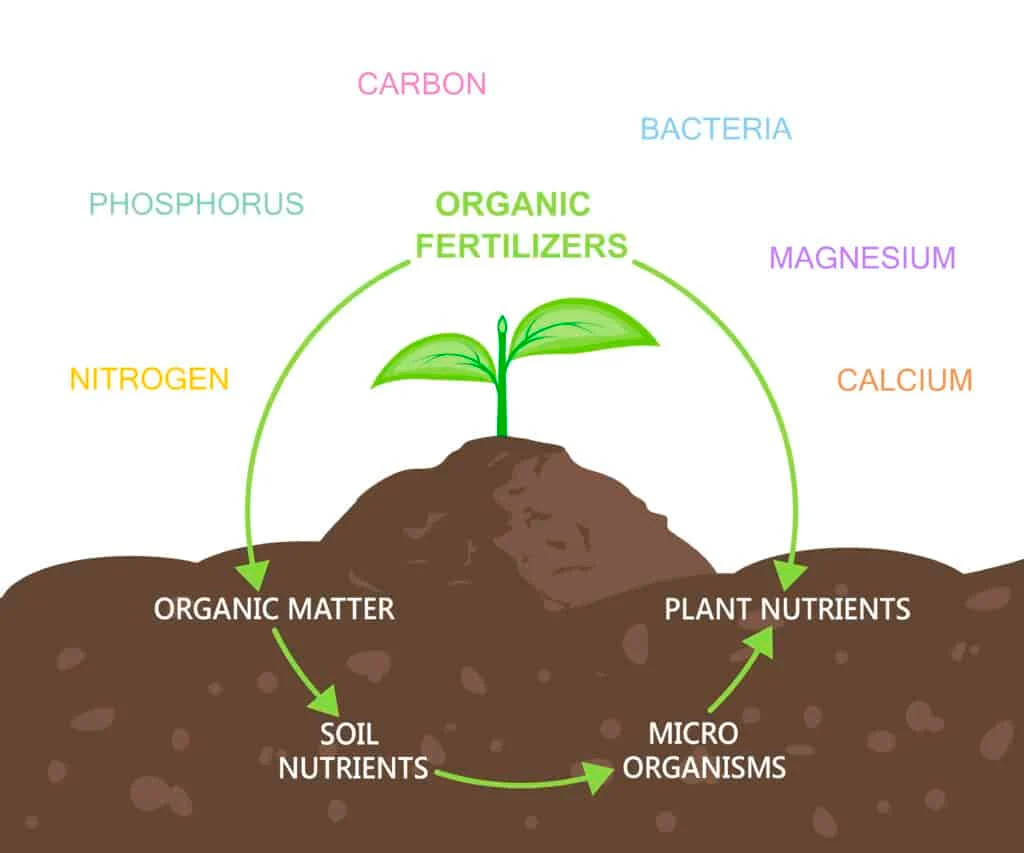
Have you ever pondered why certain gardens flourish while others falter? The answer isn’t sorcery—it lies in the earth. By enhancing garden soil prior to planting, you’ll cultivate succulent tomatoes that trickle down your chin and greens so crisp they snap with every munch.
If your garden has ever appeared uninspiring and your plants struggle in the early or mid-season, your soil is probably drained of nutrients and requires an uplift.
The exciting news is that the right organic enhancements can effortlessly convert fatigued, depleted soil into a nutrient-dense powerhouse.
This guide will demonstrate:
How to determine your soil type so you know precisely what it requires.
The finest organic enhancements to elevate your garden.
How to measure pH levels and the significance of pH for nutrient absorption.
How to rectify common garden soil issues.
This article may include affiliate links. If you click one and make a purchase, I may earn a commission at no extra cost. You can review our disclosure policy here.
Step 1: Identify Your Soil Type
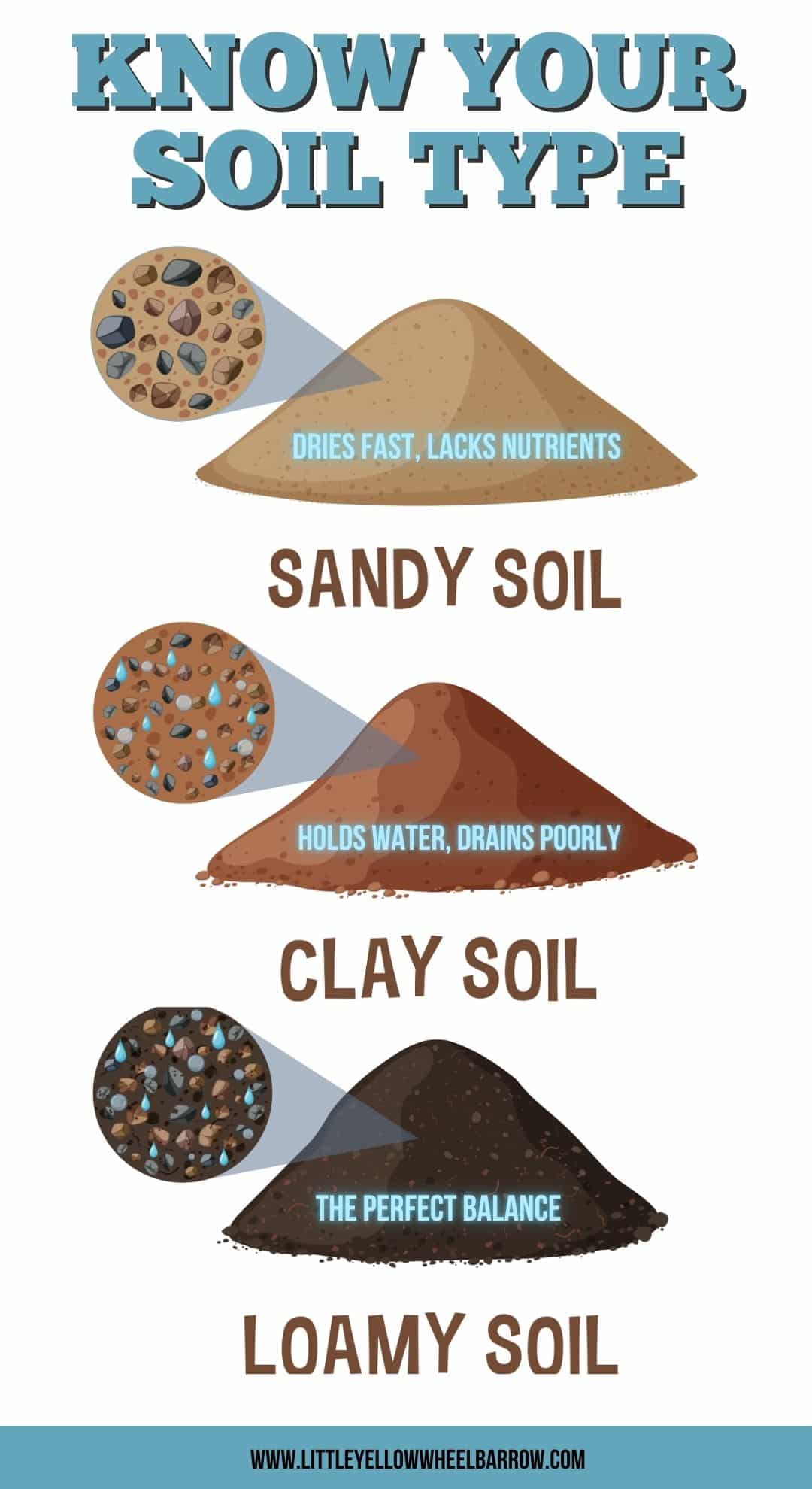
Before adding anything, it’s crucial to grasp the kind of soil you’re dealing with. Various soils have unique needs, and making the appropriate improvements will prepare your plants for success.
Quick-Reference Soil Type Chart
Soil Type
Indicators
How to Enhance
Clay Soil
Dense, sticky when wet, slow to drain
Incorporate compost, gypsum, and organic matter to enhance drainage
Sandy Soil
Light, drains excessively quickly, and low in nutrients
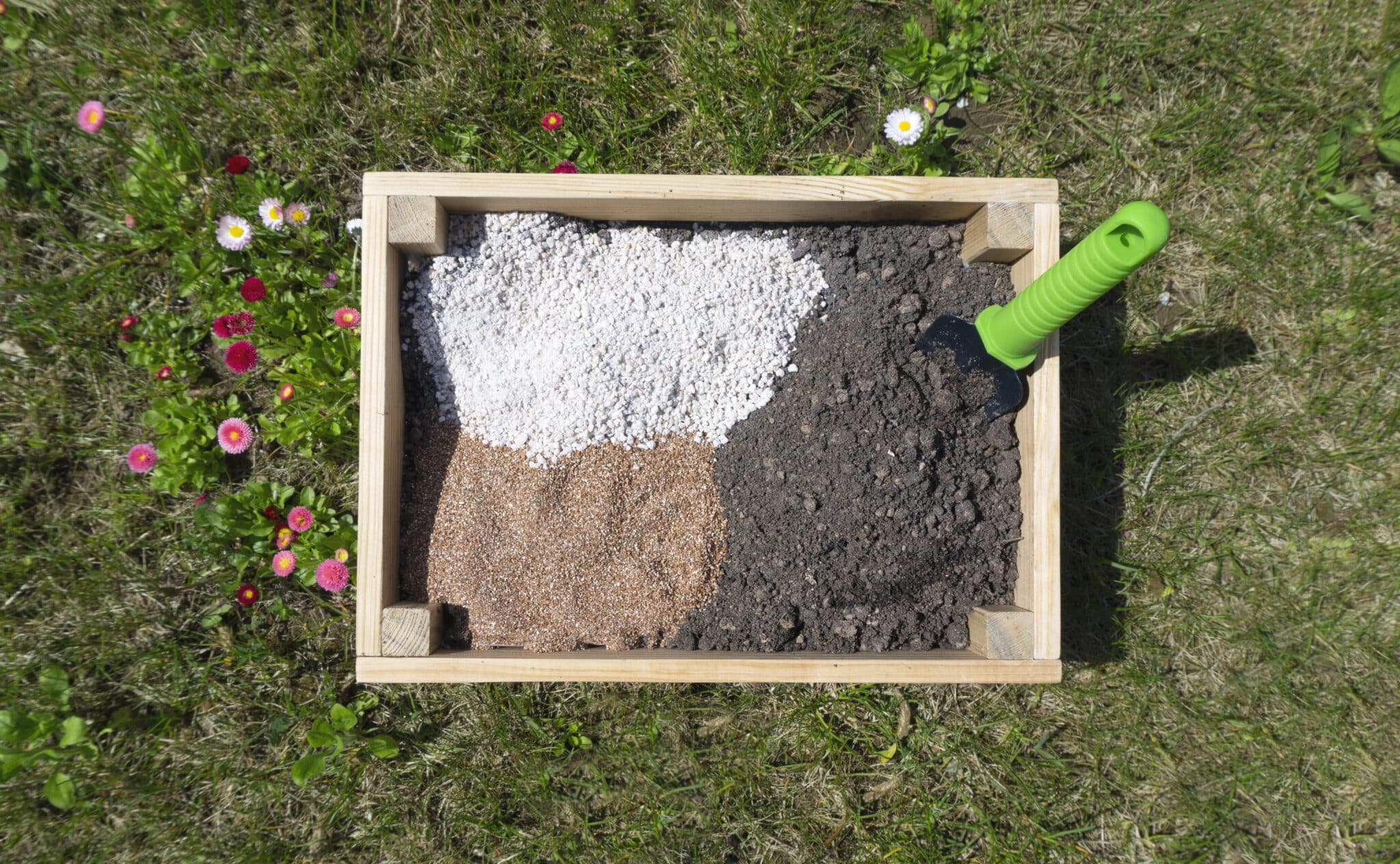
Blend in compost, peat moss, and mulch to retain moisture
Loamy Soil
Soft, crumbly, retains moisture well
Maintain vitality with regular compost and organic matter
Simple DIY Soil Tests
Jar test: Fill a clean glass jar with water and a handful of soil, shake it, and allow it to settle. The layers will separate, revealing the proportions of sand, silt, and clay in your soil.
Squeeze test: Grasp a sizable handful of moist soil and squeeze.
If it crumbles readily, it’s sandy.
If it adheres together like putty, it’s clay.
If the soil maintains its shape but breaks apart with gentle pressure, it’s loamy.
Once you comprehend your soil type, it’s time to enhance it with the suitable amendments.
Step 2: Best Organic Soil Amendments for a Thriving Garden
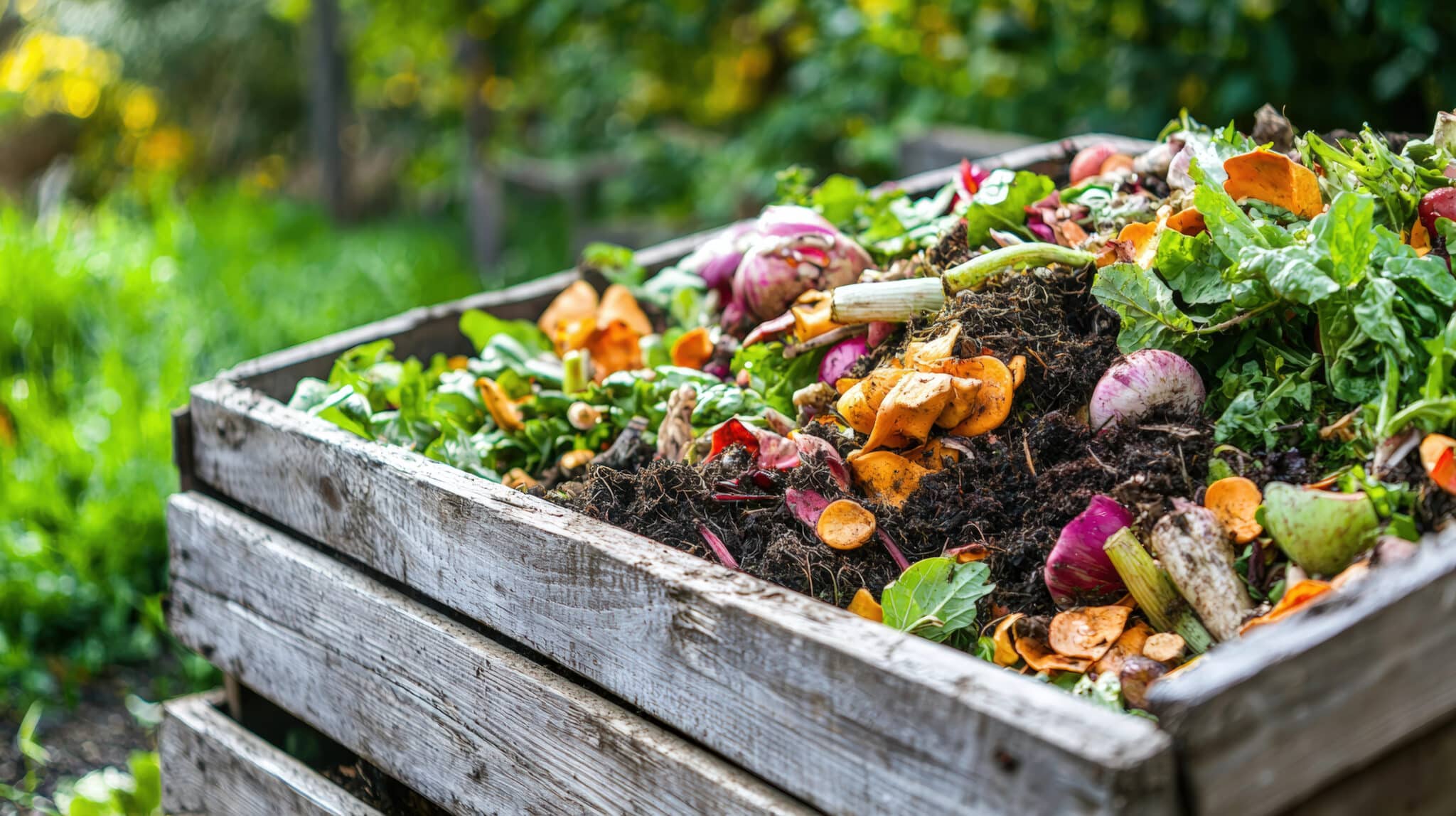
Compost: The Ultimate Soil Booster
Compost enriches soil structure, retains moisture, and supplies vital nutrients for plant development.
What to incorporate: Kitchen scraps, grass clippings, leaves, and manure.
Amount to utilize: Blend two to four inches into the topsoil prior to planting.
Refrain from including meat, dairy, or infected plants in compost, as they can attract pests and introduce pathogens.
Manure: A Natural Fertilizer for Enduring Nutrients
Manure enriches the ground with organic substance and gradually available nutrients, enhancing soil richness.
Preferred varieties:Well-Rotted cow, chicken, rabbit, or equine manure.
Application method: Spread one to two inches and integrate into the soil at least four months prior to planting to avert scorching plants.
Pro Tip: Rabbit manure is unique in this regard – if you have access to it, you can incorporate it into your beds right away as it doesn’t require aging.
Organic Fertilizers: A Rapid Nutrient Enhancement
Various plants possess distinct nutrient requirements, and employing organic fertilizer can help guarantee optimal development. For effective enhancement of garden soil, supplying your plants with essential nutrients at appropriate times is crucial. You may find it necessary to augment with additional organic fertilizers throughout different phases of their growth cycle.
For instance, tomatoes demand a substantial amount of nitrogen to flourish robustly. However, once the blossoms start appearing, excess nitrogen might result in bushier plants that yield fewer fruits. During the fruit-bearing stage, providing potassium becomes essential to bolster flowering. At times, intervention might be necessary to furnish your garden soil with the nutrients it needs.
Blood meal contains high nitrogen levels, making it perfect for leafy vegetables.
Bone meal is rich in phosphorus, aiding in root establishment.
Fish emulsion serves as a balanced, quick-acting fertilizer.
Seaweed extract enhances plant robustness and stress tolerance.
Mulch: Safeguard and Enrich Your Soil
Mulch aids in moisture retention, obstructs weeds, and gradually contributes essential organic material to the soil as it decomposes. It’s an excellent enhancement to foster improvement in garden soil.
Most effective mulch materials: Hay, crushed foliage, and lawn trimmings.
Application Instructions: Spread a two- to three-inch coating around the plants, ensuring stems do not touch.
Step 3: Addressing Common Soil Issues
Soil Problem
How to Enhance
Densely Packed Soil
Incorporate compost, aerate using a garden fork, and sow cover crops to enhance structure.
Thick Clay
Blend in gypsum, compost, and organic material to break up heavy particles and enhance drainage.
Loamy Soil
Introduce peat moss, compost, and mulch to boost water retention and nutrient content.
Insufficient Nutrients
Enhance with compost, mature manure, and well-balanced organic fertilizers for enduring soil vitality.
Step 4: Grasping Soil pH & Its Importance
The pH of soil influences how effectively plants absorb nutrients. The majority of garden varieties favor a slightly acidic to neutral pH (6.0–7.0), though some excel in varying conditions. Enhancing garden soil pH levels is crucial, as improper pH can adversely impact nutrient absorption.
Optimal pH Ranges for Common Plants
Type of Plant
Optimal pH Range
Vegetables (most)
6.0–7.0
Blueberries, Azaleas
4.5–5.5
Roses, Hydrangeas
5.5–6.5
Lawns, Ornamental Plants
6.0–7.0
Methods for Testing Soil pH
Homemade Vinegar & Baking Soda Assessment: Collect two samples of soil. Pour vinegar on one (fizzing indicates alkalinity), and baking soda with water on the other (fizzing indicates acidity).
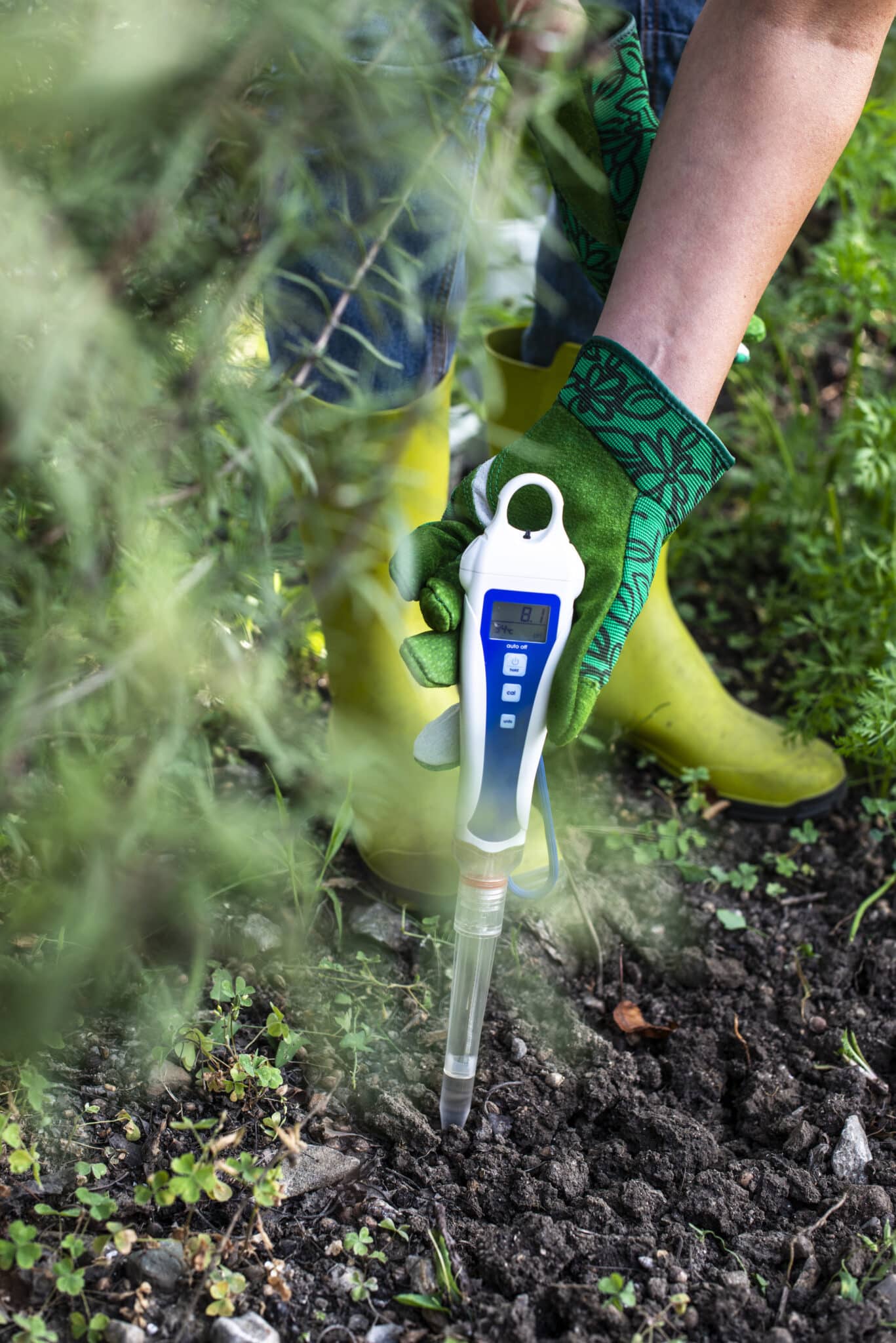
pH Test Strips or Digital Meter – Obtainable from garden supply stores, these provide a swift and precise measurement.
Send a Soil Sample to a Laboratory – The most accurate choice for ongoing soil management.
Methods for Adjusting Soil pH
To Decrease pH (More Acidic)
To Increase pH (More Alkaline)
Incorporate sulfur or peat moss
Add lime (agricultural or dolomitic)
Utilize acidic organic material such as pine needles
Sprinkle wood ash in limited quantities
Irrigate with diluted vinegar (temporary solution)
Employ crushed oyster shells or eggshells
Step 5: Grasping Soil Nutrients & Minerals
Nutritious soil comprises a proportionate blend of macronutrients, micronutrients, and minerals essential for plant development. If your plants exhibit signs of inadequacy (pale leaves, stunted growth, frail stems), your soil might require specific amendments. To enhance garden soil, you should monitor for deficiency indicators or conduct a soil analysis to identify what is deficient.
Crucial Macronutrients(Required in Significant Quantities)
Nutrient
Significance
Indicators of Deficiency
Remedial Actions
Nitrogen (N)
Promotes foliar growth and overall plant vitality.
Yellowing or pale leaves, sluggish growth.
Incorporate compost, well-aged manure, blood meal, or fish emulsion.
Supports photosynthesis (critical component of chlorophyll).
Yellowing between leaf veins.
Add Epsom salt or dolomitic lime.
Iron (Fe)
Facilitates chlorophyll production in plants.
Pale leaves with dark green veins.
Add chelated iron or compost.
Ways to Sustain Balanced Soil Nutrients
Limit over-fertilization, as an excess of nutrients can lead to imbalances.
Analyze your soil every 1–2 years to assess nutrient content.
Practice crop rotation to avoid depletion of certain nutrients.
Regularly use compost and organic matter to naturally replenish minerals.
FAQ: Common Inquiries to Enhance Garden Soil
When should I apply compost before planting?
Preferably, two to four weeks prior to planting to enable nutrients to merge with the soil.
Is fresh manure safe for my garden?
No, fresh manure can scorch plants. Always opt for aged or composted manure. The sole exception is rabbit manure.
Should I fertilize if I use compost?
Not necessarily. Compost offers slow-release nutrients, but certain plants, like tomatoes, may require extra organic fertilizers.
What is the quickest method to enhance soil quality?
Incorporating compost, organic material, and mulch consistently yields the best long-term outcomes.
Can I substitute store-bought soil instead?
Bagged soil is suitable for pots, but naturally enhancing your soil’s fertility is the most sustainable and beneficial approach for in-ground gardens.
Related Articles
Concluding Insights: Enhance Garden Soil for Remarkable Harvests
Nutritious soil is the foundation of a fruitful and vibrant garden. The more effort invested in soil enhancement, the more robust your plants will thrive. Adding compost, organic material, and the appropriate amendments prior to planting creates an environment where plants flourish.
Author: Laura Kennedy
Writer & Proprietor of Little Yellow Wheelbarrow
Laura is an exceptionally proficient gardener and passionate flower aficionado. In spite of her whimsical struggle with plant spacing protocols, Laura’s creations motivate gardeners to construct flourishing, stunning areas that epitomize both innovation and sustainability.
If you're fond of salads, nothing you cultivate will be as essential as leafy greens—the foundation of every fresh, crunchy morsel. However, with supe [...]
These 15 LEGO Storage concepts assist in arranging blocks, minimizing disorder, and facilitating building for both children and adults. If your buildi [...]
Craft fashionable washer necklaces with this simple guide! Ideal for handmade jewelry enthusiasts, this craft is enjoyable, economical, and imaginativ [...]
We use cookies on our website to give you the most relevant experience by remembering your preferences and repeat visits. By clicking “Accept”, you consent to the use of ALL the cookies.
This website uses cookies to improve your experience while you navigate through the website. Out of these, the cookies that are categorized as necessary are stored on your browser as they are essential for the working of basic functionalities of the website. We also use third-party cookies that help us analyze and understand how you use this website. These cookies will be stored in your browser only with your consent. You also have the option to opt-out of these cookies. But opting out of some of these cookies may affect your browsing experience.
Necessary cookies are absolutely essential for the website to function properly. These cookies ensure basic functionalities and security features of the website, anonymously.
Cookie
Duration
Description
cookielawinfo-checbox-analytics
11 months
This cookie is set by GDPR Cookie Consent plugin. The cookie is used to store the user consent for the cookies in the category "Analytics".
cookielawinfo-checbox-functional
11 months
The cookie is set by GDPR cookie consent to record the user consent for the cookies in the category "Functional".
cookielawinfo-checbox-others
11 months
This cookie is set by GDPR Cookie Consent plugin. The cookie is used to store the user consent for the cookies in the category "Other.
cookielawinfo-checkbox-necessary
11 months
This cookie is set by GDPR Cookie Consent plugin. The cookies is used to store the user consent for the cookies in the category "Necessary".
cookielawinfo-checkbox-performance
11 months
This cookie is set by GDPR Cookie Consent plugin. The cookie is used to store the user consent for the cookies in the category "Performance".
viewed_cookie_policy
11 months
The cookie is set by the GDPR Cookie Consent plugin and is used to store whether or not user has consented to the use of cookies. It does not store any personal data.
Functional cookies help to perform certain functionalities like sharing the content of the website on social media platforms, collect feedbacks, and other third-party features.
Performance cookies are used to understand and analyze the key performance indexes of the website which helps in delivering a better user experience for the visitors.
Analytical cookies are used to understand how visitors interact with the website. These cookies help provide information on metrics the number of visitors, bounce rate, traffic source, etc.
Advertisement cookies are used to provide visitors with relevant ads and marketing campaigns. These cookies track visitors across websites and collect information to provide customized ads.