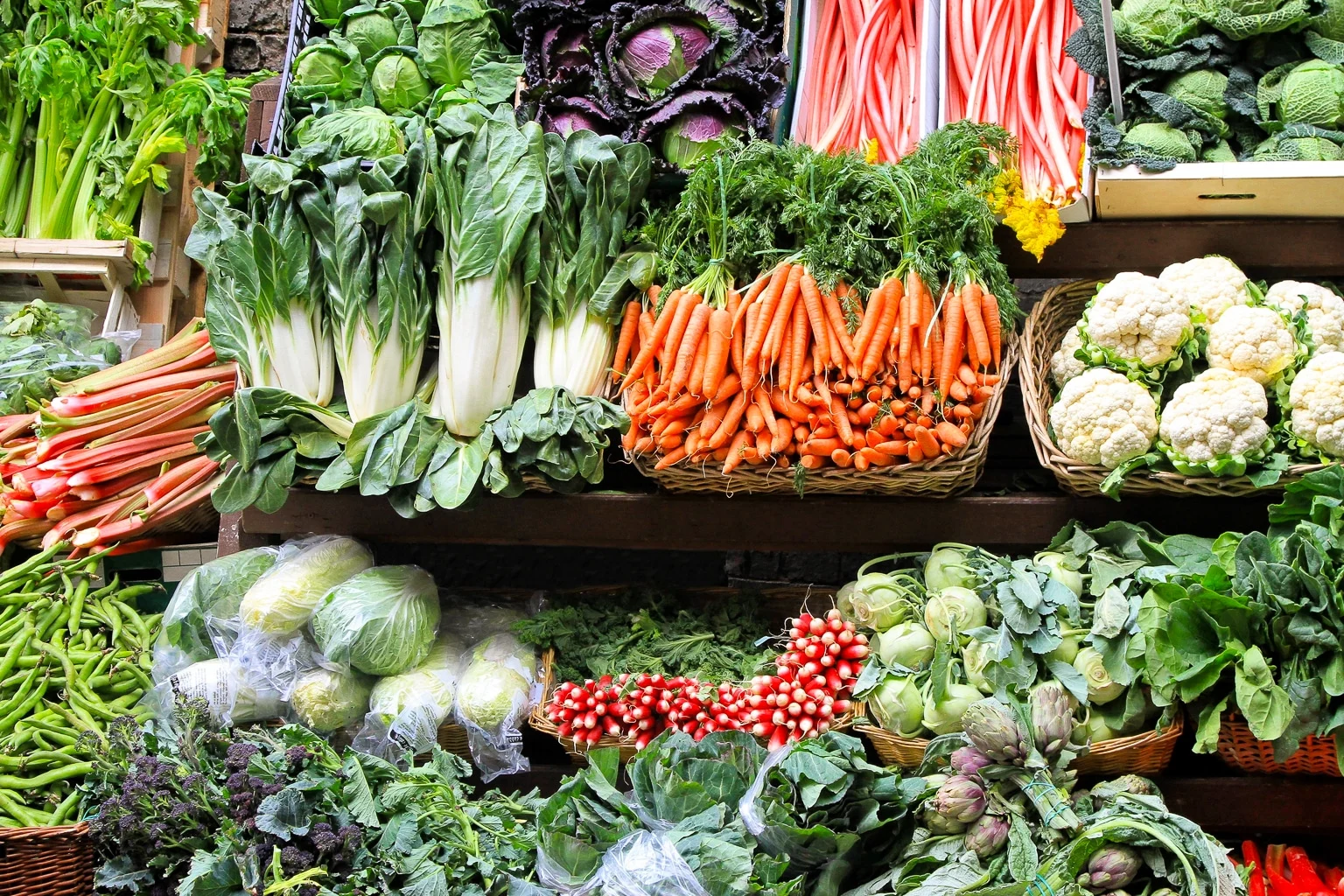
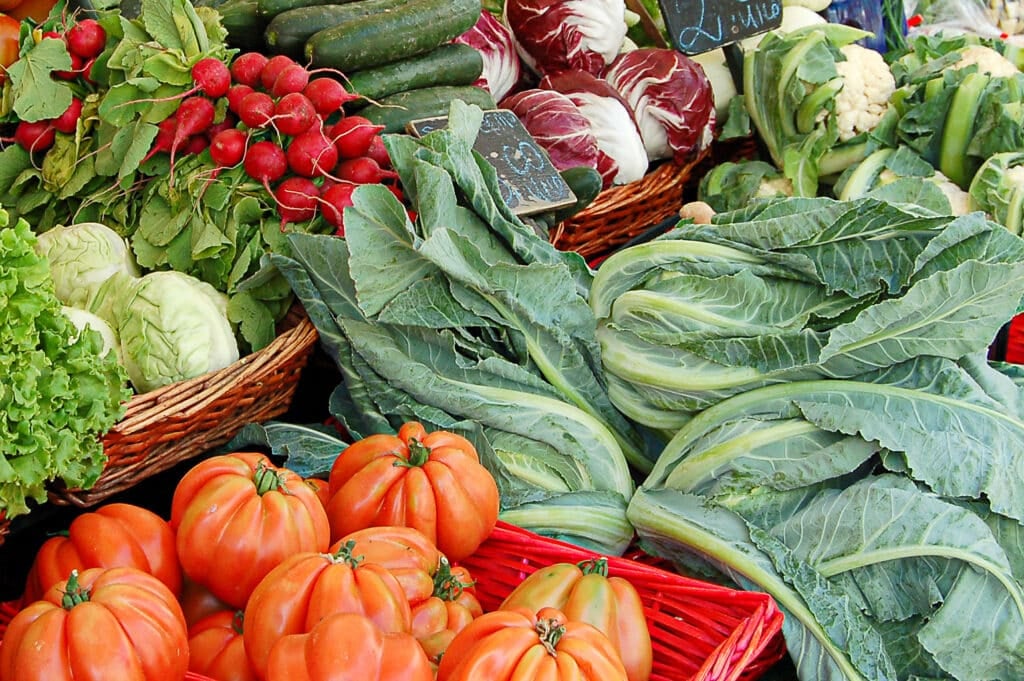
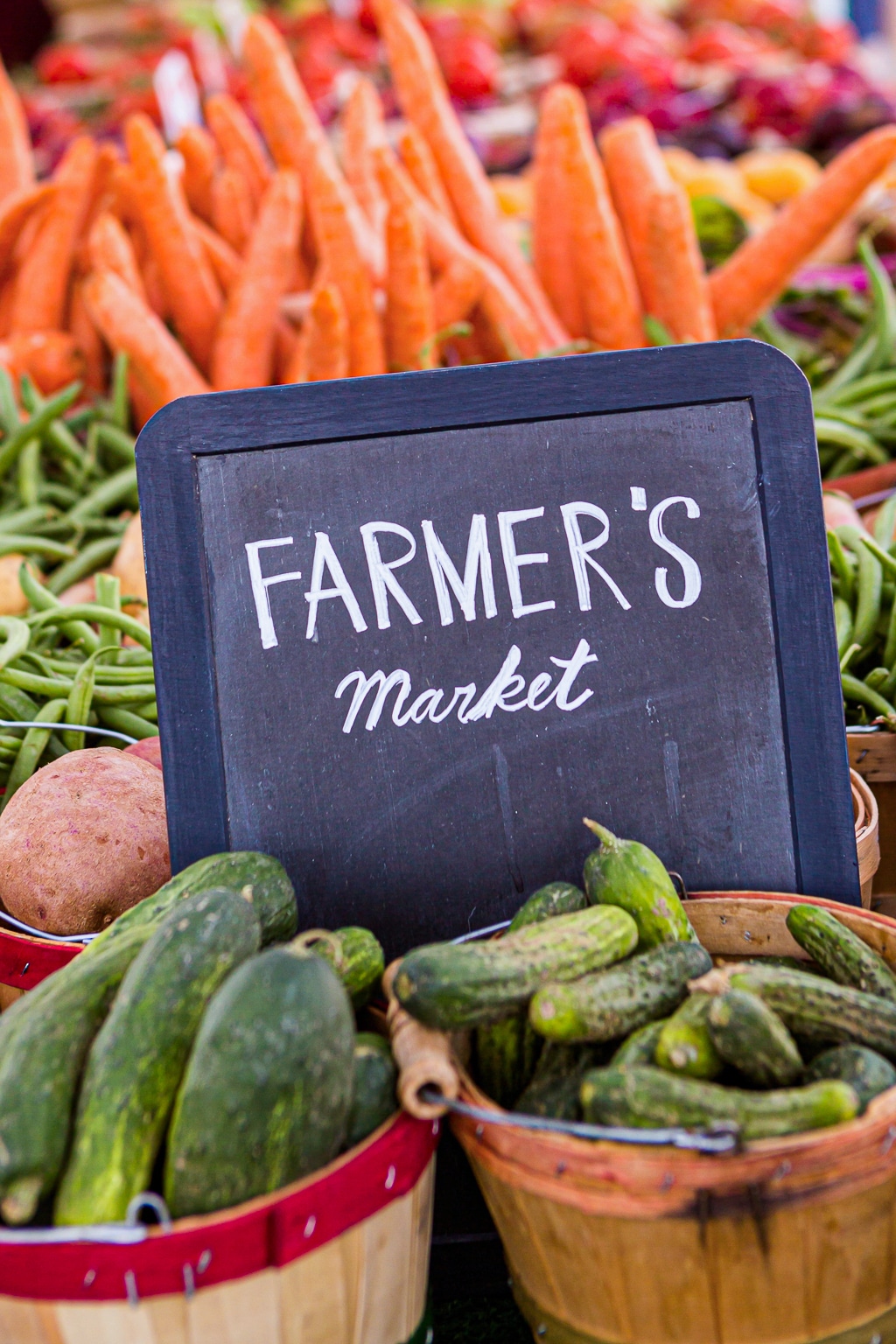
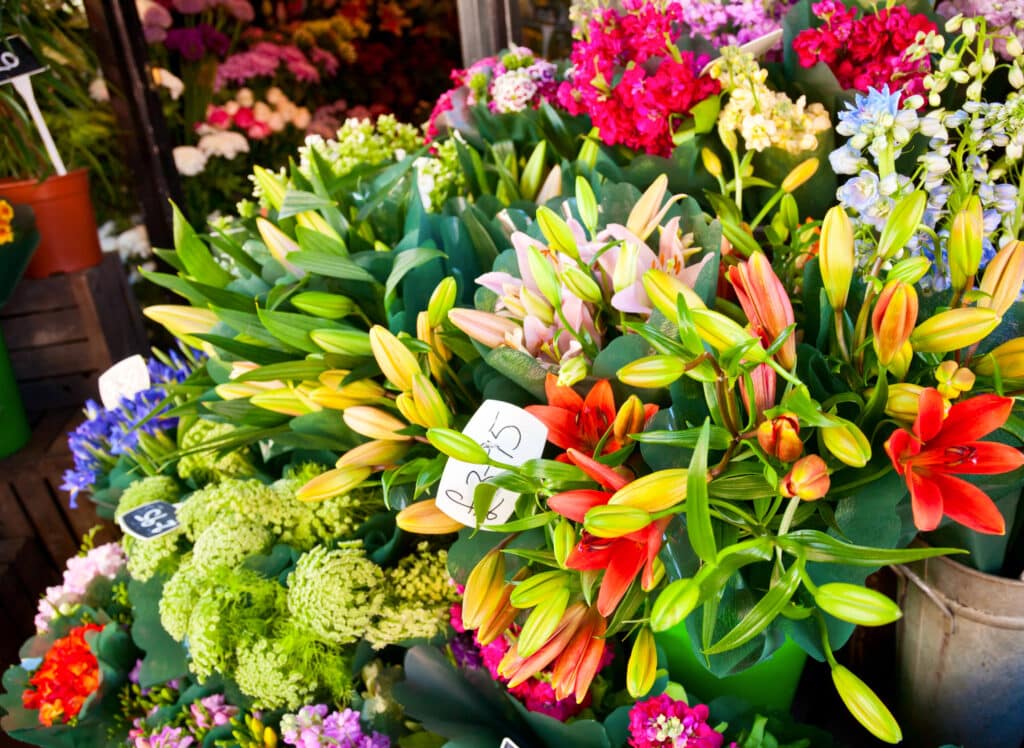
In our location, it’s a central hub for farmers’ markets, brimming with fresh produce, artisanal items, and enthusiastic sellers. However, thriving at the market isn’t solely about cultivating exceptional food—it’s about identifying what appeals to customers. Before we planted even a single seed, we dedicated months to research: attending markets, conversing with vendors, and investigating which items vanished from tables and which remained. This investigation provided us with clearer guidance on what to cultivate and insight into the most lucrative crops for farmers’ markets in our vicinity.
If you’re pondering selling at your nearby farmers’ market, careful planning is essential. It’s simple to grow what you adore, but will your customers cherish it too? While every market has its own character, certain patterns are consistent. In this guide, we’ll explore:
How to conduct some research to gain a deeper understanding of your local farmers market’s potential
Frequent pitfalls to steer clear of when cultivating for farmers’ markets
Creative selling techniques to maximize revenue
Eco-friendly packaging and branding solutions
By the conclusion, you’ll possess a lucid strategy for transforming your garden into a thriving, sustainable farmers’ market venture.
Comprehending Your Local Market: Investigate Prior to Planting
Before you initiate any planting, it’s vital to grasp your customers’ purchasing patterns. Farmers’ markets differ significantly depending on location, demographics, and seasonal variations. What disappears in one locale might barely sell in another.
Monitor What Sells (and What Doesn’t)
The most effective method to research your market is through regular visits. Keep a keen eye on:
Bestselling items – Which products vanish swiftly, and what remains at the end of the day?
Pricing – Are shoppers inclined to pay higher prices for organic or specialty items?
Supply shortages – Is there a need for something that no one is farming?
Customer tendencies – Do they purchase in bulk or favor smaller portions?
Vendor performance – Which booths draw the most visitors? How do they showcase their merchandise?
Quick Win:If a vendor sells out of an item before noon, it’s a sought-after product. If it remains until closing, think twice about growing it.
Engage with Vendors and Gain Insights from Their Experience
Seasoned vendors frequently share their insights on what functions well and what doesn’t. Initiate conversations and inquire about:
Which crops generate the most sales
How pricing approaches influence sales
Surprising hurdles they encountered during their beginnings
While not every vendor will divulge their strategies, many are willing to provide advice that can assist newcomers in circumventing costly errors.
Spot Opportunities in the Market
If numerous vendors offer tomatoes, the market may be oversaturated. However, if no one is selling specialty greens or unique heirloom varieties, a chance may exist to occupy that niche.
Reflect on the following:
Providing various types (e.g., heirloom tomatoes instead of traditional ones)
Cultivating out-of-season crops using greenhouses or tunnels
Offering in-demand crops such as fresh herbs, which are easy to cultivate and provide fast turnover
Quick Win:Crowded markets result in reduced prices. Identify a niche crop that others are not growing, and you’ll evade price competitions.
Align Your Crops with Your Growing Abilities
Not every lucrative crop is suitable for your garden. Before you decide, contemplate:
Space necessities – Do you have enough space for sprawling crops like squash, or should you concentrate on high-yield, compact choices like salad greens?
Climate suitability – Will heat-loving crops prosper in your area?
Time commitment – Some crops, such as tomatoes, need staking, pruning, and pest management, while others, like radishes, require minimal effort.
The most suitable crops for you will be those that align with both your growing conditions and your lifestyle.
Quick Win:Steer clear of “diva crops” that require constant attention. Begin with easy, high-turnover options like salad greens, radishes, or basil.
Highly Lucrative Crops to Cultivate for Farmers Markets
Choosing the appropriate crops is essential if you aim to thrive at a farmers’ market. High-demand crops should be attractive, suitable for cultivation in your environment, and yield a substantial return on investment. The optimal selections offer a consistent supply, command premium prices, or target specialized markets that grocery stores cannot fulfill. Below are some of the most lucrative crops to cultivate and the reasons they are exceptional.
Quick Win:The quickest approach to generate income? Cultivate fast-growing crops such as microgreens, salad mixes, and fresh herbs. They fly off the shelves each week!
1. Specialty Greens & Salad Mixes
Why They Sell: Fresh, locally sourced greens are a fundamental offering at farmers’ markets as they have superior taste and longevity compared to store-bought options. They also possess a brief growth cycle, permitting several harvests within a season.
Best Picks: Arugula, baby spinach, mustard greens, mesclun mixes.
Bonus: Some consumers favor spicy or bitter greens, making mustards and chicories a wonderful choice for diversity.
2. Heirloom & Unusual Vegetables
Why They Sell: Shoppers appreciate diversity and distinctiveness, and heirloom vegetables are visually appealing and delicious. Many are inclined to pay more for items that are unavailable at supermarkets.
Best Picks: Purple carrots, striped tomatoes, watermelon radish, blue pumpkins.
Bonus: These vegetables often come with fascinating anecdotes, making them excellent conversation starters at your booth.
Quick Win:Customers appreciate an engaging tale. If your heirloom tomatoes originated from your grandmother’s seeds, share that narrative—it will make them unmissable!
3. High-Value Culinary & Medicinal Herbs
Why They Sell: Herbs are small and effortless to cultivate. They can be marketed fresh, dried, or transformed into value-added products like infused oils and teas. Consumers favor high-quality, locally sourced herbs, which are more pristine than supermarket selections.
Best Picks: Basil, cilantro, rosemary, lavender, thyme.
Bonus: Perennial herbs such as thyme and rosemary yield multiple harvests over seasons with minimal effort.
4. Berries & Small Fruits
Why They Sell: There’s nothing quite like the taste of freshly harvested local berries. Customers recognize that store-bought berries tend to be insipid and transit poorly, making farmers’ market selections a premium option.
Best Picks: Strawberries, raspberries, blackberries, currants.
Bonus: High consumer demand enables premium prices per pound, and berries can be marketed fresh, frozen, or transformed into jams and preserves.
Quick Win:Berries = premium pricing. At farmers’ markets, they can retail for up to 2-3x grocery store prices—and customers don’t hesitate.
5. Cut Flowers & Edible Flowers
Why They Sell: Flowers enhance a market stall’s appeal and attract impulse buyers. Edible flowers are also appealing to chefs and health-conscious patrons searching for natural garnishes.
Best Picks: Sunflowers, zinnias, dahlias, snapdragons, nasturtiums, violas.
Bonus: A visually captivating display can increase foot traffic, which boosts sales for all your products.
6. Microgreens & Sprouts
Why They Sell: These plants are packed with nutrients, fashionable, and favored by health-oriented consumers and culinary professionals. They have a swift growth cycle and occupy minimal space, rendering them exceptionally lucrative.
Best Picks: Pea shoots, radish tops, and sunflower microgreens boast outstanding nutritional profiles, which are excellent selling advantages.
Bonus: Microgreens can be gathered in less than two weeks, facilitating quick turnover and steady revenue.
7. Garlic & Specialty Onions
Why They Sell: Garlic represents a valuable crop that maintains its quality well, making it easy to market throughout the year. Gourmet onions, such as shallots and cipollini onions, are coveted by both chefs and home cooks.
Best Picks: Hardneck garlic, elephant garlic, shallots, cipollini onions.
Bonus: Garlic scapes (the curled green tops) offer an extra early-season yield before the bulbs are picked.
Quick Win:Garlic is a straightforward crop: sow in autumn, harvest in summertime, and reap profits year-round. Minimal effort, significant reward!
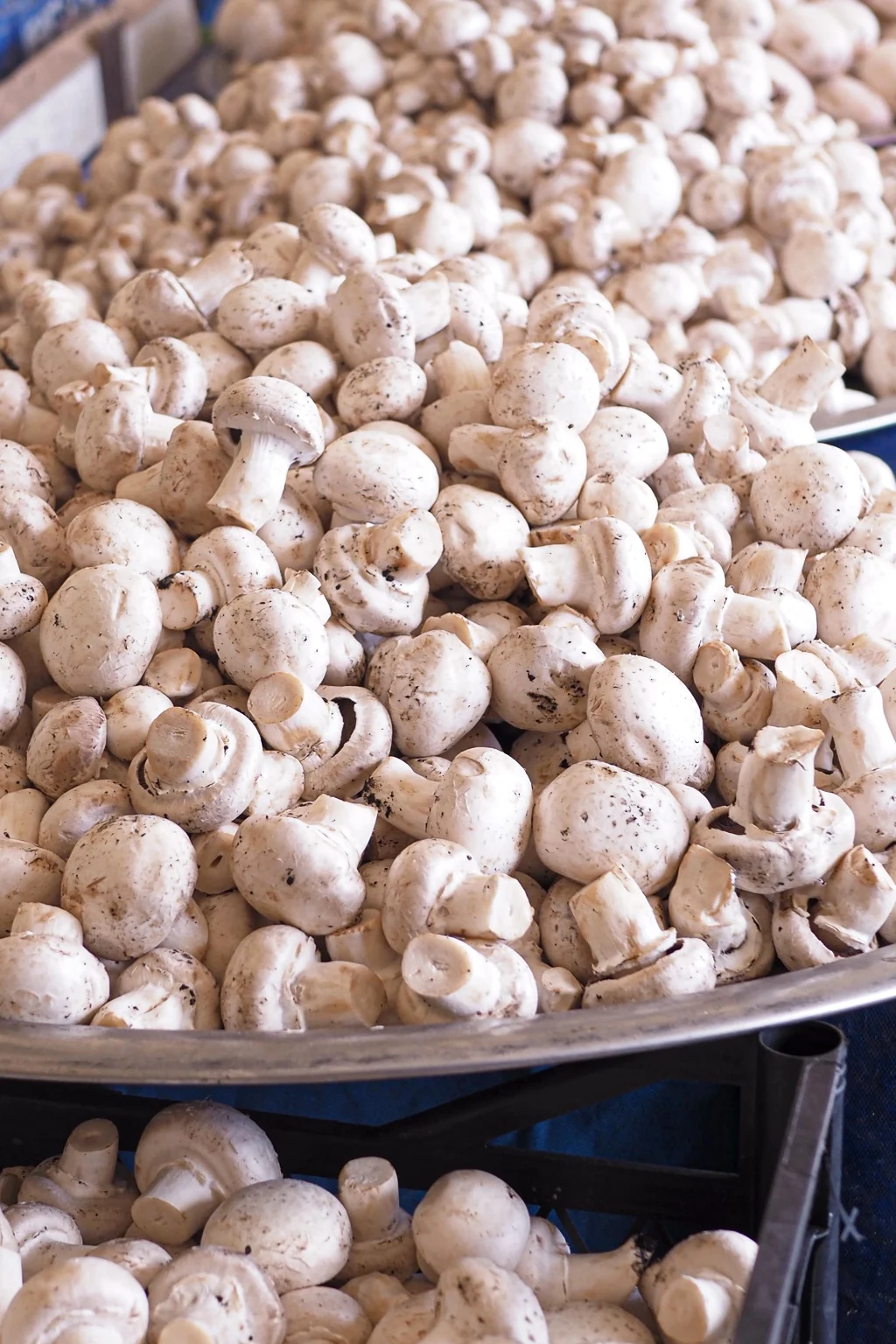
8. Gourmet Mushrooms
Why They Sell: Unique mushrooms are often difficult to obtain fresh, making them ideal for farmers’ markets. They attract chefs, health-conscious buyers, and gourmet home cooks.
Best Picks: Oyster mushrooms, lion’s mane, shiitake.
Bonus: They can be cultivated indoors all year, ensuring a consistent income flow.
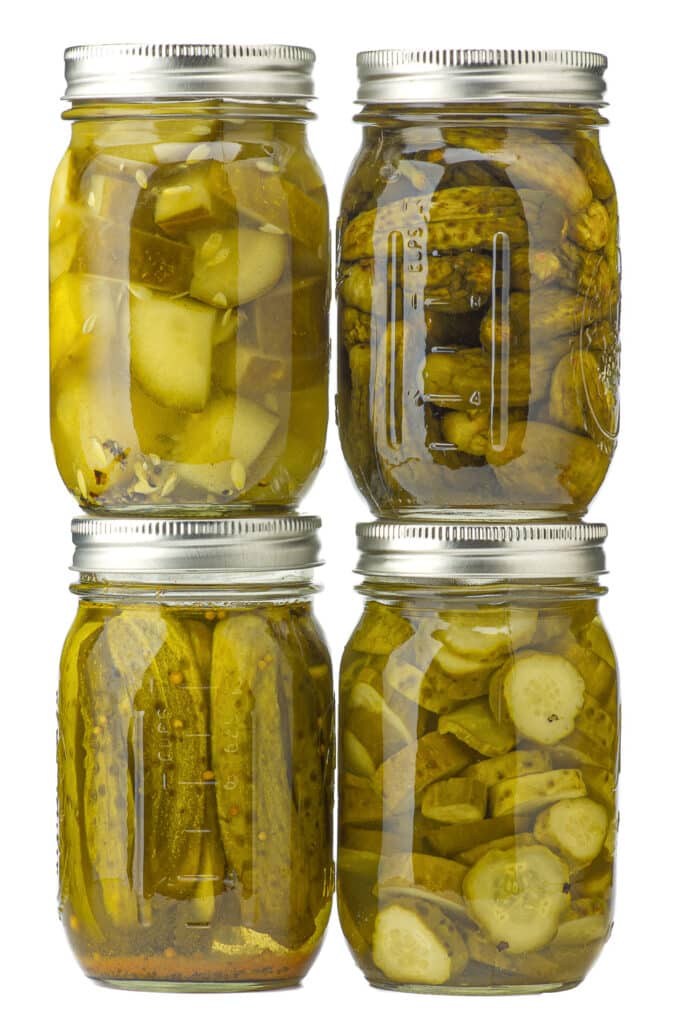
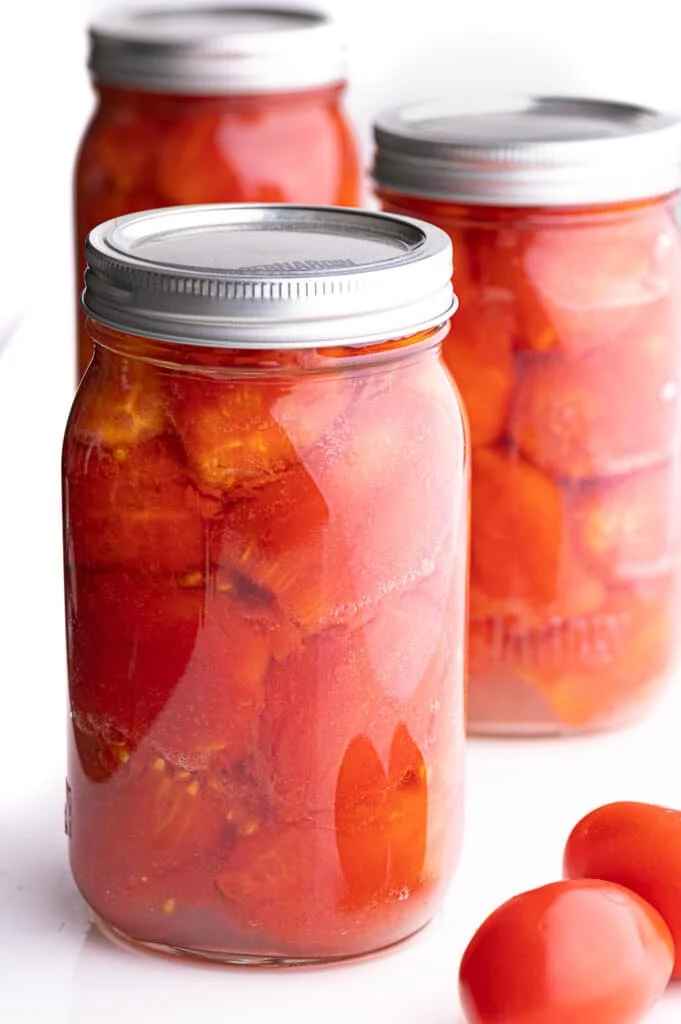
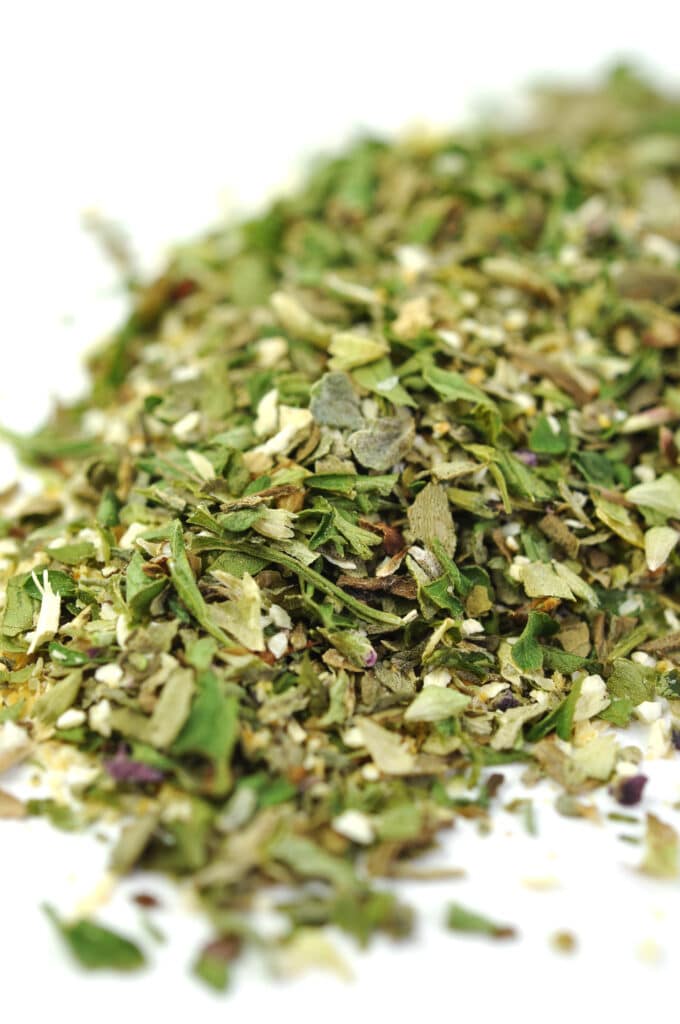
9. Value-Added Products (From Your Crops)
Why They Sell: Shoppers appreciate the convenience and distinctive choices. Value-added items extend shelf life and enable innovative branding.
Bonus: They provide an opportunity to optimize profits from excess or less-than-perfect produce.
Quick Win:Market dried blends, infused oils, or herbal teas to convert $3 worth of herbs into a $15 product.
Herb-Infused Vinegars – The Ideal DIY Present for Culinary Enthusiasts
Water Bath Canning: Guidelines for Securely Canning Food At Home
Canning Whole Tomatoes – The Swift and Simple Cold Pack Technique
How To Preserve Herbs: Methods, Tips, + Tricks
10. Distinct Root Vegetables
Why They Sell: Root vegetables serve as essential crops, yet distinctive types catch attention and command elevated prices. Numerous varieties possess longevity, minimizing waste.
Top Selections: Chioggia beets, rainbow carrots, sunchokes, Japanese sweet potatoes.
Bonus: They exhibit outstanding storage capabilities, enabling year-round sales.
Quick Win:Looking to enhance sales? Monitor weekly sales trends to adjust your crop selection accordingly—data prevails over assumptions.
Eco-Friendly Packaging & Branding
Modern consumers seek more than just excellent food—they are concerned about sustainability as well. The right packaging can bolster your brand, curtail waste, and draw in environmentally conscious buyers. Below are some substitutes for single-use plastics that maintain produce freshness while ensuring a professional appearance.
Quick Win:Shoppers remember brands that appear “premium.” Eco-conscious packaging enhances your visibility and justifies elevated prices.
Eco-Conscious Packaging Options
Compostable Produce Bags: Crafted from plant-based materials, these bags decompose naturally and provide an excellent alternative to plastic.
Paper Bags & Kraft Boxes: A straightforward, rustic appearance that fits nicely with a natural brand aesthetic—ideal for greens, herbs, and baked goods.
Reusable Mesh or Cotton Bags: Encourage all consumers to bring these back weekly for replenishments, minimizing waste and fostering brand loyalty.
Glass Jars for Value-Added Products: Excellent for honey, pickles, dried herbs, and jams. These can be reused by buyers and enhance the premium product perception.
Recyclable & Compostable Clamshells: Perfect for berries, microgreens, and delicate produce while ensuring freshness.
Ensuring Branding Consistency
A refined, professional look can differentiate your market and foster customer confidence. Consider these branding components:
Custom Stamps & Stickers: Utilize compostable stickers or hand-stamped paper bags featuring your logo instead of plastic labels.
Branded Reusable Totes: Sell or provide reusable bags adorned with your farm’s logo, converting customers into mobile advertisements.
Chalkboard Price Signs & Wooden Displays: Aesthetic and waste-free, reinforcing a handcrafted, eco-friendly image.
Where to Purchase Sustainable Packaging
Here are several suppliers providing eco-friendly market packaging:
EcoEnclose: Compostable mailers, recycled paper bags, and sustainable stickers.
NoIssue: Custom compostable packaging and branding materials.
PacknWood: Biodegradable and recyclable food packaging solutions.
Concluding Thoughts: Lucrative Crops for Farmers Markets
Market selling isn’t solely about cultivating food—it’s about growing intelligently. By opting for high-value crops, monitoring sales, and employing sustainable packaging, you can establish a profitable, professional market stall that customers appreciate revisiting.
Which crops excite you the most for the market? Share a comment, and let’s discuss strategies!
Save this guide for future reference in planning your most profitable market garden!
Author: Laura Kennedy
Writer & Owner of Little Yellow Wheelbarrow
Laura is a talented gardener and passionate flower advocate. Although she playfully navigates plant spacing guidelines, Laura’s efforts encourage gardeners to cultivate flourishing, beautiful environments that reflect both creativity and sustainability.
Searching for an easy present wrapping concept? This string-bound wrapping method adds allure, dimension, and a handcrafted element to any gift. If yo [...]
Get over 30 creative handmade crown ideas for kids and adults! From birthdays to holidays, find the perfect headpiece to make your day feel magical. I [...]
Utilize the Iron-On I'm utilizing the Cricut Autopress, yet any heat press is suitable for this endeavor. Prior to pressing, I consulted the Cricut He [...]
Craft beautiful DIY glitter pumpkins utilizing chalk paint, Mod Podge, and Diamond Dust. This rapid and adaptable autumn project is ideal for your sea [...]
This shopping manual provides farmhouse home-organization suggestions to maintain your residence neat and appealing. The arrival of a new year always [...]
These smoothie formulations simplify breakfast, featuring an orange, strawberry, and banana blend that is ideal for busy mornings. Aiming for a health [...]
We use cookies on our website to give you the most relevant experience by remembering your preferences and repeat visits. By clicking “Accept”, you consent to the use of ALL the cookies.
This website uses cookies to improve your experience while you navigate through the website. Out of these, the cookies that are categorized as necessary are stored on your browser as they are essential for the working of basic functionalities of the website. We also use third-party cookies that help us analyze and understand how you use this website. These cookies will be stored in your browser only with your consent. You also have the option to opt-out of these cookies. But opting out of some of these cookies may affect your browsing experience.
Necessary cookies are absolutely essential for the website to function properly. These cookies ensure basic functionalities and security features of the website, anonymously.
Cookie
Duration
Description
cookielawinfo-checbox-analytics
11 months
This cookie is set by GDPR Cookie Consent plugin. The cookie is used to store the user consent for the cookies in the category "Analytics".
cookielawinfo-checbox-functional
11 months
The cookie is set by GDPR cookie consent to record the user consent for the cookies in the category "Functional".
cookielawinfo-checbox-others
11 months
This cookie is set by GDPR Cookie Consent plugin. The cookie is used to store the user consent for the cookies in the category "Other.
cookielawinfo-checkbox-necessary
11 months
This cookie is set by GDPR Cookie Consent plugin. The cookies is used to store the user consent for the cookies in the category "Necessary".
cookielawinfo-checkbox-performance
11 months
This cookie is set by GDPR Cookie Consent plugin. The cookie is used to store the user consent for the cookies in the category "Performance".
viewed_cookie_policy
11 months
The cookie is set by the GDPR Cookie Consent plugin and is used to store whether or not user has consented to the use of cookies. It does not store any personal data.
Functional cookies help to perform certain functionalities like sharing the content of the website on social media platforms, collect feedbacks, and other third-party features.
Performance cookies are used to understand and analyze the key performance indexes of the website which helps in delivering a better user experience for the visitors.
Analytical cookies are used to understand how visitors interact with the website. These cookies help provide information on metrics the number of visitors, bounce rate, traffic source, etc.
Advertisement cookies are used to provide visitors with relevant ads and marketing campaigns. These cookies track visitors across websites and collect information to provide customized ads.