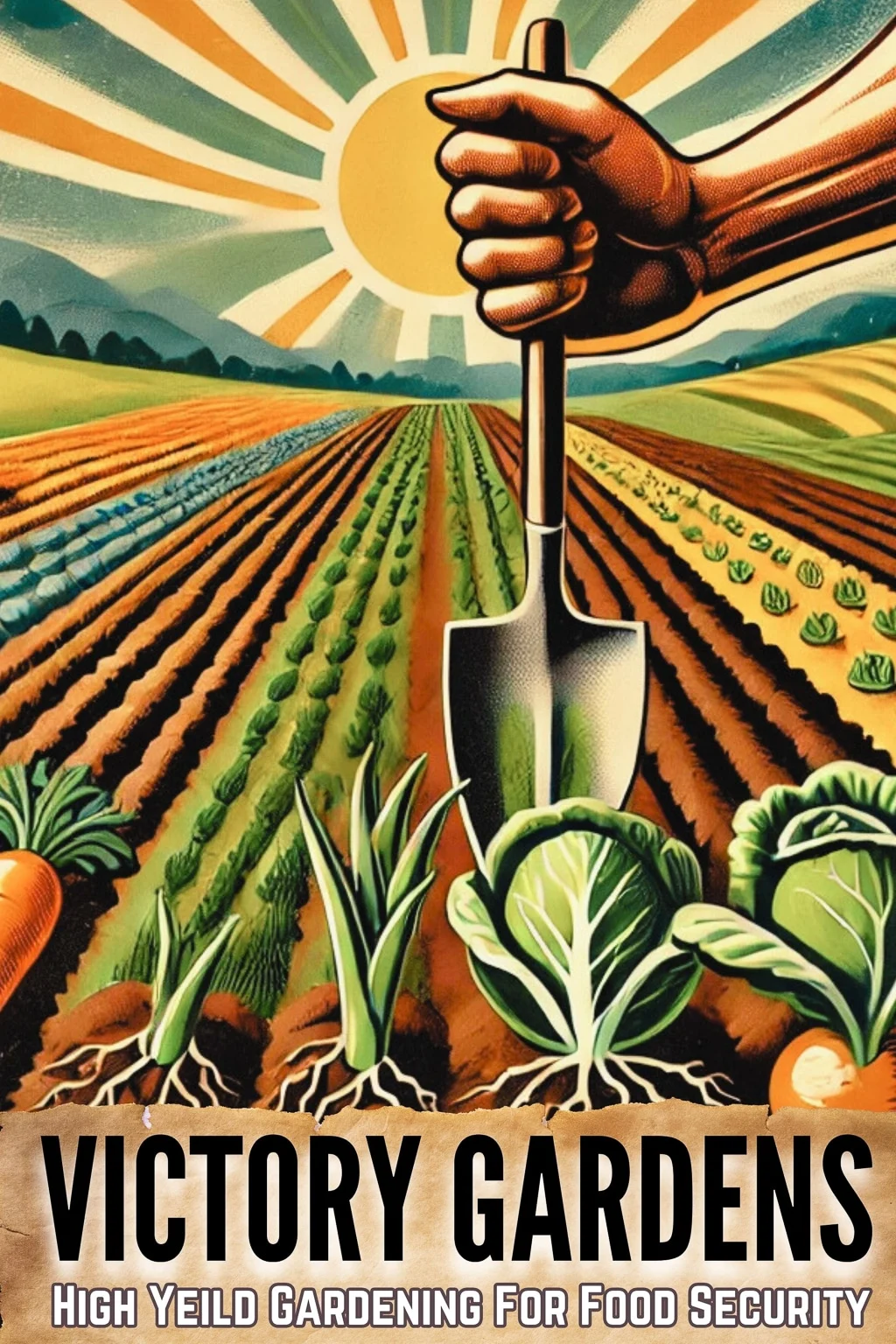
Victory Gardens boast a rich legacy of ensuring food stability during emergencies, yet they are not merely artifacts of history. With escalating food costs, disruptions in supply chains, and increasing socio-political and environmental turmoil, cultivating food nearby has transitioned from a leisurely pursuit to an essential requirement.
This handbook will encompass all you need to understand regarding Victory Gardens, from initiating your own to selecting crops for optimal yield.
What is a Victory Garden?
A Victory Garden is a cultivated home food garden aimed at enhancing self-reliance and diminishing dependence on unstable food systems.
These gardens gained traction during the World Wars when authorities urged citizens to cultivate their own produce to alleviate stress on the commercial supply network. Households, educational institutions, and entire neighborhoods planted fruits, vegetables, and herbs in backyards, vacant lots, and community areas, assisting in feeding millions.
Key Concept: Victory Gardens represent not merely survival but also resilience, independence, and the fortification of local communities.
Victory Garden vs. Kitchen Garden: What’s the Difference?
Numerous individuals mistake Victory Gardens for Kitchen Gardens, but they fulfill distinct functions:
Kitchen gardens are compact, nearby plots (or container gardens) concentrated on fresh herbs, greens, and quickly-harvestable vegetables for everyday consumption.
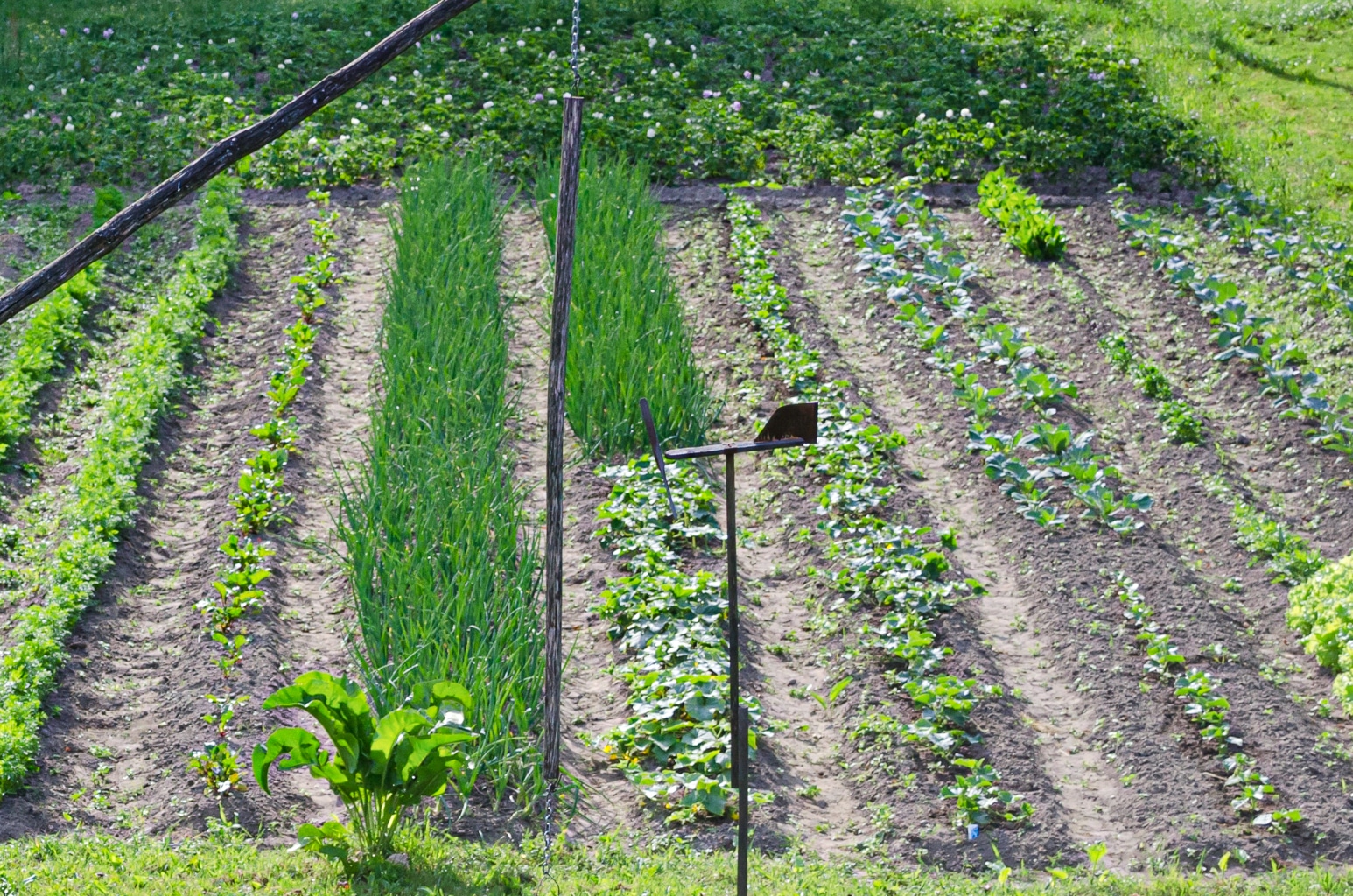
Victory gardens emphasize food stability and mass production. They aim to yield storable staples, such as potatoes, beans, squash, and root crops. These gardens occupy more space and are commonly arranged in rows or larger sections.
A kitchen garden is ideal for those looking to cultivate food to complement grocery visits. However, if you aspire to generate a significant quantity of food for extended use, a Victory Garden is the optimal choice.
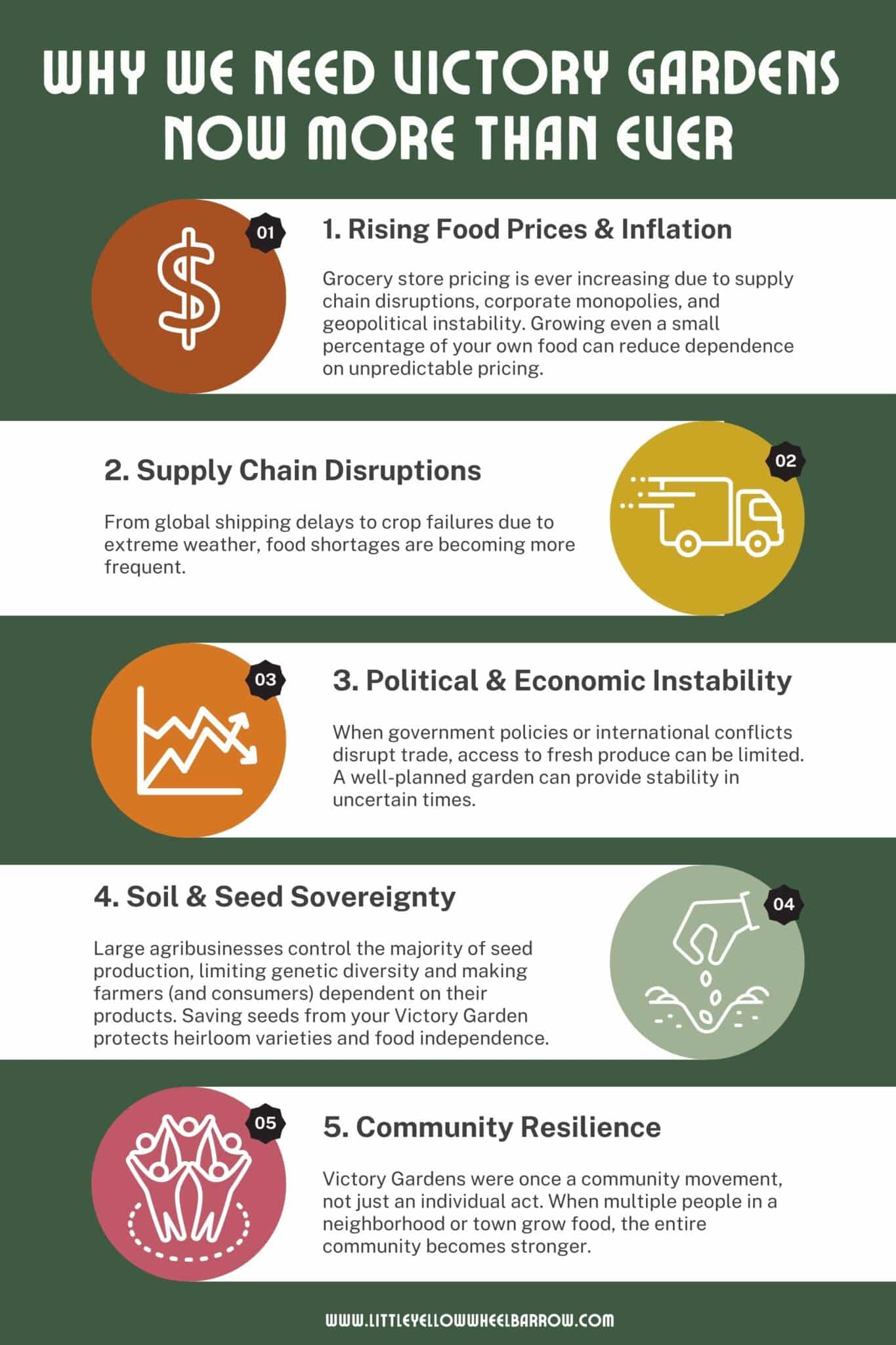
Why We Need Victory Gardens Now More Than Ever
Although we no longer confront wartime food restrictions, the contemporary global food framework is more vulnerable than ever. A Victory Garden is not solely about self-sufficiency—it signifies readiness for unpredictability and bolstering local resilience.
1. Increasing Food Costs & Inflation
Grocery store prices continue their upward trajectory as a result of disruptions in supply chains, corporate monopolies, and geopolitical unrest. Cultivating even a small fraction of your own food can lessen dependence on variable pricing while empowering you over your household’s food resources.
2. Supply Chain Disruptions
Global shipping delays, crop failures from extreme weather conditions, and resource deficiencies are escalating the difficulty of acquiring fresh food. A personal or community garden ensures a consistent, local food supply that remains insulated from external dependencies.
3. Political & Economic Instability
Government regulations, international disputes, and economic declines can impair trade and hinder access to fresh produce. A well-thought-out Victory Garden guarantees that you and your family maintain food security, regardless of external turmoil.
4. Soil & Seed Sovereignty
Large agribusinesses dominate seed production, diminishing genetic variety and forcing both farmers and consumers to rely on corporate-controlled seeds. Retaining your own seeds from a Victory Garden maintains heirloom varieties and fortifies long-term food autonomy.
5. Community Resilience
Victory Gardens were historically a joint initiative, rather than just an individual endeavor. When neighbors and local groups collaboratively cultivate food, they foster stronger, more self-sufficient communities—ensuring food accessibility even during challenging times.
How to Organize a Victory Garden
A thoughtfully arranged Victory Garden enhances food yield while reducing resource consumption. Here’s how to initiate:
Step 1: Select an Appropriate Location
A Victory Garden doesn’t require a flawless, cultivated environment. These gardens flourish in available, underused terrain—backyards, front yards, vacant lots, and even communal areas (if permitted). While selecting a location:
Seek Full Sunlight – Most crops require a minimum of 6-8 hours of direct sunlight.
Ensure Adequate Drainage – Steer clear of low areas where water accumulates.
Consider the Future – Choose a site that can be enhanced over time with soil improvements.
Step 2: Determine the Garden Layout
In contrast to a small, tidy kitchen garden, a Victory Garden emphasizes productive and high-yield planting strategies. Typical layouts consist of:
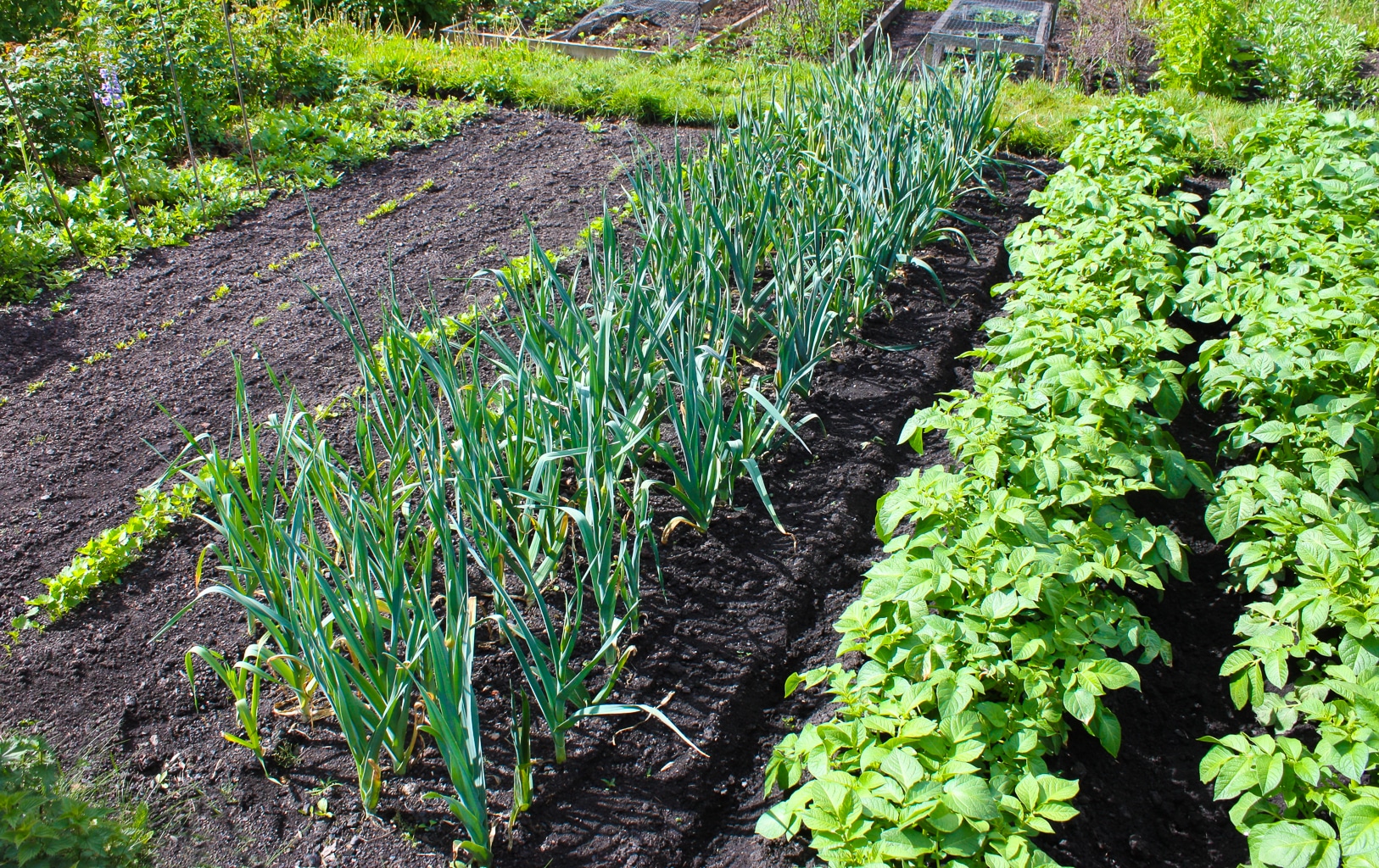
Traditional Rows – Optimal for expansive areas and simple weeding with equipment.
Block Planting – Arranges plants closely for maximum yield per square footage.
Intercropping – Combines plants that coexist well, such as beans and corn.
Border & Fence Planting – Utilizes fences and edges for climbing crops like peas and beans.
Hint: If space is limited, think about converting a lawn into a fruitful garden by swapping grass with edible varieties.
Step 3: Cultivate Healthy Soil
A flourishing Victory Garden begins with nutrient-dense soil. If your soil is deficient, enhance it by:
Incorporating Compost – Enhances organic matter and increases fertility.
Applying Mulch – Conserves moisture and inhibits weeds.
Utilizing Cover Crops – Grows nitrogen-fixing varieties like clover to enrich the earth.
If the soil is overly compacted, consider double-digging or using raised beds to promote root development and drainage. While raised beds are not typically part of a victory garden due to wasted pathway area, it can be a viable choice if your soil is uncooperative.
Step 4: Select High-Yield Crops
Victory Gardens emphasize nutrient-rich, calorie-dense, and storage-efficient crops that maximize the returns for the area and effort invested. Some preferred options include:
Potatoes & Sweet Potatoes – High in energy and easy to store.
Corn – Can be dried and milled into flour or consumed fresh.
Beans & Peas – Excellent sources of protein and beneficial for soil health.
Root Vegetables (Carrots, Beets, Turnips) – Store well and provide vital nutrients.
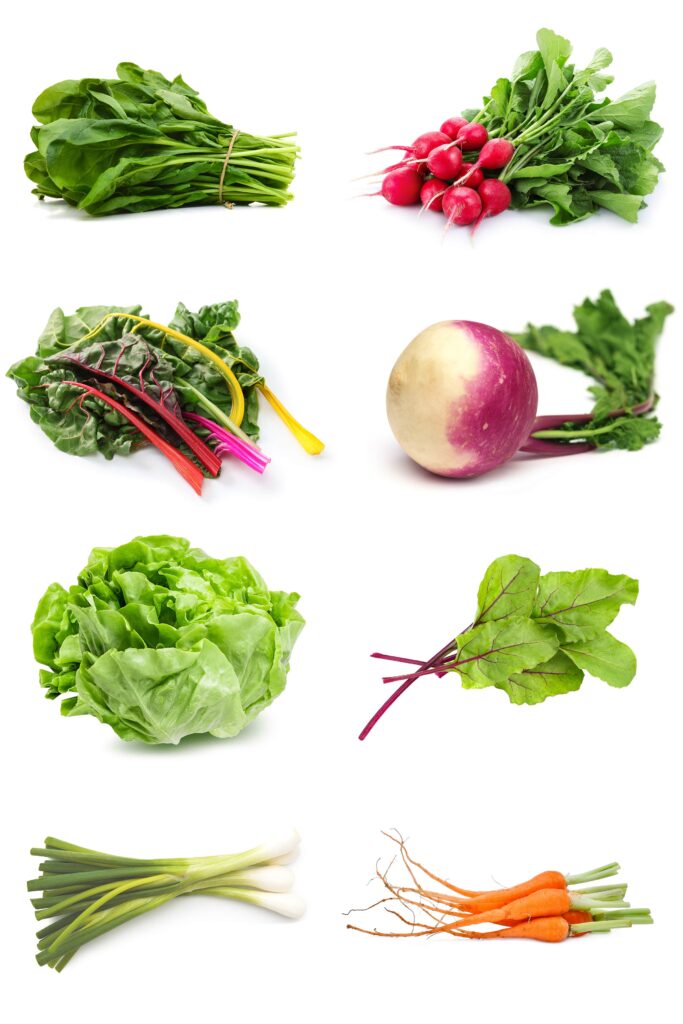
Leafy Greens (Kale, Spinach, Swiss Chard) – Rapid-growing and packed with nutrients.
Winter Squash – Extended storage life and abundant in vitamins.
By meticulously designing your Victory Garden, you can enhance your food security and autonomy while optimizing your utilized space.
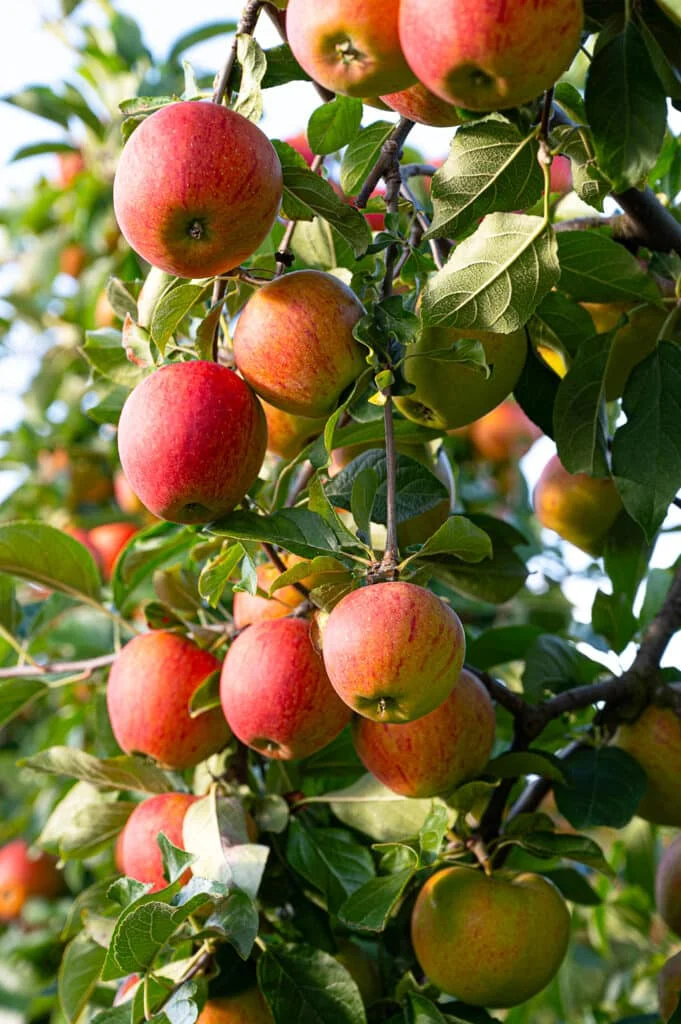
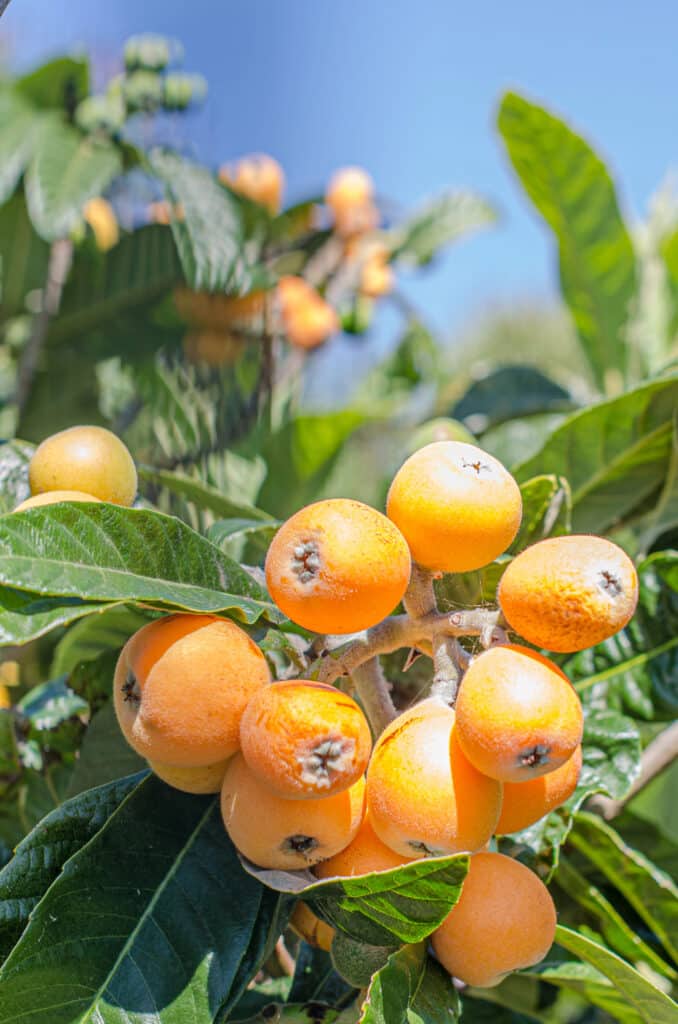
Expert Tip:Consider an orchard. Even 4-6 dwarf fruit trees can keep a family supplied with fresh fruit for months, and most orchard-grown fruit is excellent for drying, preserving, and juicing. Many trees yield a significant amount of fruit in just a few short years. The old adage is true: “The best moment to plant a tree was twenty years ago. The next best moment is now.”
Optimal Crops for a Victory Garden
A Victory Garden should concentrate on high-yield, nutrient-rich, and storage-efficient crops that deliver the greatest return for the area and effort expended. The following crops are perfect for a self-sustaining garden:
Staple Crops for Calories & Bulk Yield
These crops constitute the foundation
of a Triumph Garden by offering vital calories and vitality.
Potatoes & Sweet Potatoes – Rich in calories, simple to cultivate, and preserve effectively for months. Ideally planted in loose, well-aerated soil.
Corn – A fundamental grain that can be dried for flour or consumed fresh.
Amaranth & Quinoa – Outstanding grain substitutes with elevated protein levels and straightforward harvesting.
Carrots & Beets – Root crops that store effectively and supply vital vitamins.
Winter Squash (Butternut, Acorn, Pumpkin)—Stores for several months and delivers a nutrient-rich food source. Our squash and pumpkins endure in our root cellar until the next season, making them excellent safety foods to have stashed away.
Protein-Dense Crops
For individuals aiming to enhance plant-based proteins, these crops are crucial.
Beans (Bush and Pole Beans, Lentils, Chickpeas, Black Beans) Enriches nitrogen in the soil and preserves easily when dried.
Peanuts – Can be cultivated in warmer regions and deliver healthy fats and proteins.
Leafy Greens (Kale, Spinach, Swiss Chard) – These are abundant in vitamins and can be harvested continuously.
Rapid-Growing & Ongoing Harvest Crops
These crops are ideal for maintaining fresh produce throughout the growing period.
Tomatoes – Multifunctional and high-yielding, perfect for fresh consumption and storage.
Peppers (Bell, Chili, Cayenne) – Slow-growing yet very productive and easy to preserve by drying.
Zucchini & Summer Squash – Abundant producers that develop quickly.
Garlic & Onions – Vital for flavor and prolonged storage life.
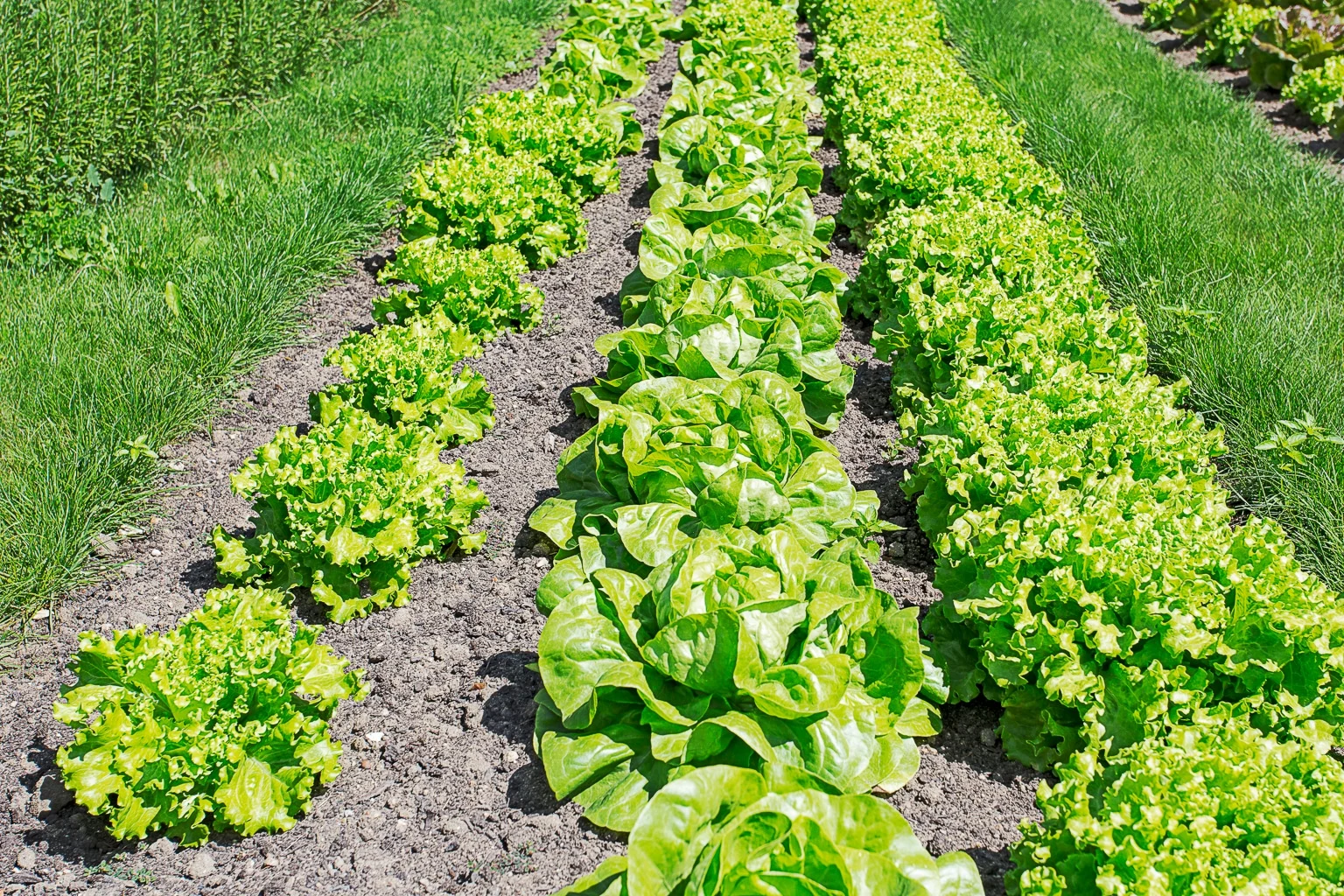
Lettuce & Salad Greens – Rapid-growing and can be harvested several times per season.
Perennial & Self-Sustaining Crops
These crops need minimal upkeep and yield food annually.
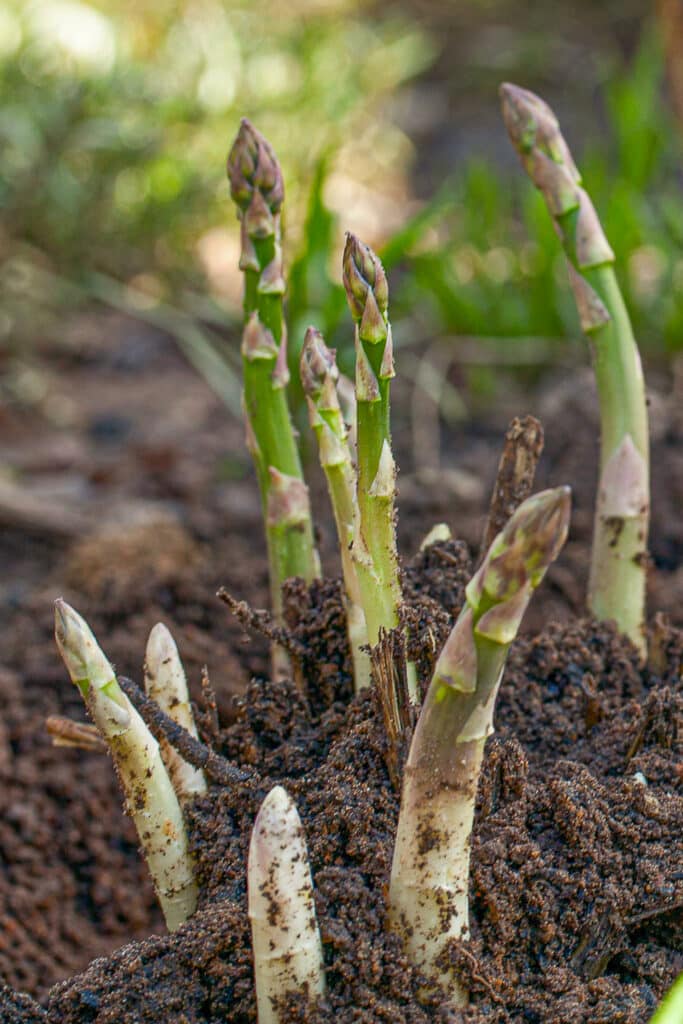
Asparagus – It requires a few years to establish but endures for many decades.
Berries (Strawberries, Raspberries, Blackberries, Blueberries) – Offer crucial vitamins and can be easily preserved.
Nut Trees (Walnut, Almond, Chestnut) – A long-term commitment to protein and beneficial fats.
Rhubarb – A notable inclusion for your triumph garden. If you reside in the north, rhubarb is an exemplary crop that is dependable regardless of conditions. I’ve observed my rhubarb withstand a -45F hit in winter without faltering. Moreover, it’s a superb source of vitamin K1 and fiber.
Drought-Tolerant & Robust Crops
For gardens with scarce water supply, these crops are resilient and fruitful.
Sorghum & Millet – Drought-resistant grain crops suitable for flour and animal fodder.
Okra – Flourishes in hot, arid conditions and provides fiber and vitamins.
Chickpeas & Lentils – Demand minimal water and preserve well when dried.
21 Quick-Growing Vegetables You Can Cultivate in Less Than 60 Days
12 High-Return Crops Worth Cultivating in 2025
Reasons Drought-Resistant Edible Crops are a Wise Selection in 2025
Dividing Edible Perennials: Increase Your Food Garden for Free
Preserving & Storing Your Harvest
A Victory Garden serves best when food is stored for extended periods. Effective storage techniques guarantee your harvest endures through the seasons, minimizing waste and preserving food security.
Canning & Fermenting
Water Bath Canning – Perfect for acidic produce such as tomatoes, pickles, and jams.
Pressure Canning – Necessary for low-acid items such as beans, meats, and non-acidic vegetables.
Fermentation – Sauerkraut, kimchi, and pickled produce can be preserved for months with intact probiotics.
Freezing & Dehydrating
Freezing – Effective for fruits, vegetables, and some herbs.
Blanching Before Freezing – Maintains color, texture, and nutrients.
Dehydrating – Appropriate for fruits, herbs, and certain vegetables; prolongs shelf life with limited space needed.
Root Cellaring
Best for prolonged storage of root vegetables like potatoes, carrots, beets, and onions.
Requires a cool, dark, and moist environment to avert spoilage.
This can occur in basements, insulated garages, or specially constructed root cellars.
Seed Saving
Guarantees future harvests without depending on seed vendors.
Choose heirloom and open-pollinated varieties for optimal outcomes.
Keep seeds in a cool, dry location to sustain viability.
Victory Gardens: A Remarkable Act of Self-Reliance
Producing your food contributes not only to saving funds but also to resilience, autonomy, and fortifying communities. A thoughtfully designed Victory Garden offers:
Protection against economic volatility and supply chain interruptions.
Improved access to fresh, nutritious food.
The opportunity to enhance and unify local neighborhoods.
A feeling of assurance knowing you have provisions—regardless of circumstances.
Victory Gardens may not rectify every issue, but they restore power to individuals and communities—one garden at a time.
Prepared to Initiate Your Victory Garden?
If you had to depend on your garden for sustenance, would you be equipped? Let’s alter that. Share a comment below about your current situation, and I’ll assist you in optimizing your harvest!
Related Articles
Author: Laura Kennedy
Writer & Proprietor of Little Yellow Wheelbarrow
Laura is an accomplished gardener and passionate flower lover. While playfully challenging plant spacing rules, Laura’s efforts motivate gardeners to cultivate flourishing, appealing spaces that embody both innovation and sustainability.
Here's the text with synonyms and altered sentence structure, while maintaining the HTML tags and format: Cricut Design Space In the subsequent steps, [...]
Snowman Compilation This is the moment the snowman begins to take shape. Neatly arrange your longest strips, align the ends, and create a hole in each [...]
This DIY Happy Valentine's Day Banner is ideal for adorning mantels, walls, or gatherings with a straightforward handcrafted allure. This Valentine's [...]
Prepare comforting meals quickly with simple chicken and dumplings that convert basic ingredients into a cozy, satisfying dish. When cravings for comf [...]
We use cookies on our website to give you the most relevant experience by remembering your preferences and repeat visits. By clicking “Accept”, you consent to the use of ALL the cookies.
This website uses cookies to improve your experience while you navigate through the website. Out of these, the cookies that are categorized as necessary are stored on your browser as they are essential for the working of basic functionalities of the website. We also use third-party cookies that help us analyze and understand how you use this website. These cookies will be stored in your browser only with your consent. You also have the option to opt-out of these cookies. But opting out of some of these cookies may affect your browsing experience.
Necessary cookies are absolutely essential for the website to function properly. These cookies ensure basic functionalities and security features of the website, anonymously.
Cookie
Duration
Description
cookielawinfo-checbox-analytics
11 months
This cookie is set by GDPR Cookie Consent plugin. The cookie is used to store the user consent for the cookies in the category "Analytics".
cookielawinfo-checbox-functional
11 months
The cookie is set by GDPR cookie consent to record the user consent for the cookies in the category "Functional".
cookielawinfo-checbox-others
11 months
This cookie is set by GDPR Cookie Consent plugin. The cookie is used to store the user consent for the cookies in the category "Other.
cookielawinfo-checkbox-necessary
11 months
This cookie is set by GDPR Cookie Consent plugin. The cookies is used to store the user consent for the cookies in the category "Necessary".
cookielawinfo-checkbox-performance
11 months
This cookie is set by GDPR Cookie Consent plugin. The cookie is used to store the user consent for the cookies in the category "Performance".
viewed_cookie_policy
11 months
The cookie is set by the GDPR Cookie Consent plugin and is used to store whether or not user has consented to the use of cookies. It does not store any personal data.
Functional cookies help to perform certain functionalities like sharing the content of the website on social media platforms, collect feedbacks, and other third-party features.
Performance cookies are used to understand and analyze the key performance indexes of the website which helps in delivering a better user experience for the visitors.
Analytical cookies are used to understand how visitors interact with the website. These cookies help provide information on metrics the number of visitors, bounce rate, traffic source, etc.
Advertisement cookies are used to provide visitors with relevant ads and marketing campaigns. These cookies track visitors across websites and collect information to provide customized ads.